Engagement › Marketing · 3 of 4
Writing a Marketing Plan
By RISE Business Framework · Created by Gary Harper and Brandon McCurdy · Reviewed
A marketing plan is a written outline of how your business will reach customers and expand into new markets. In RISE, the plan sets audiences, objectives, budget, competition, channels, a timeline and analytics. It then maps assets and a KPI to each stage: Plan, Reach, Act, Convert and Engage.
How strong is your Engagement quadrant? Take the free RISE Business Assessment
How RISE does it
- Identify target audiences, objectives, budget parameters and the competition.
- Assess media channels and create an execution timeline, with analytics to track progress.
- Adjust tactics as trends change or customer tastes evolve.
- The Plan stage is branded content. The RISE Content 9 Box sorts content by Emotion and Awareness.
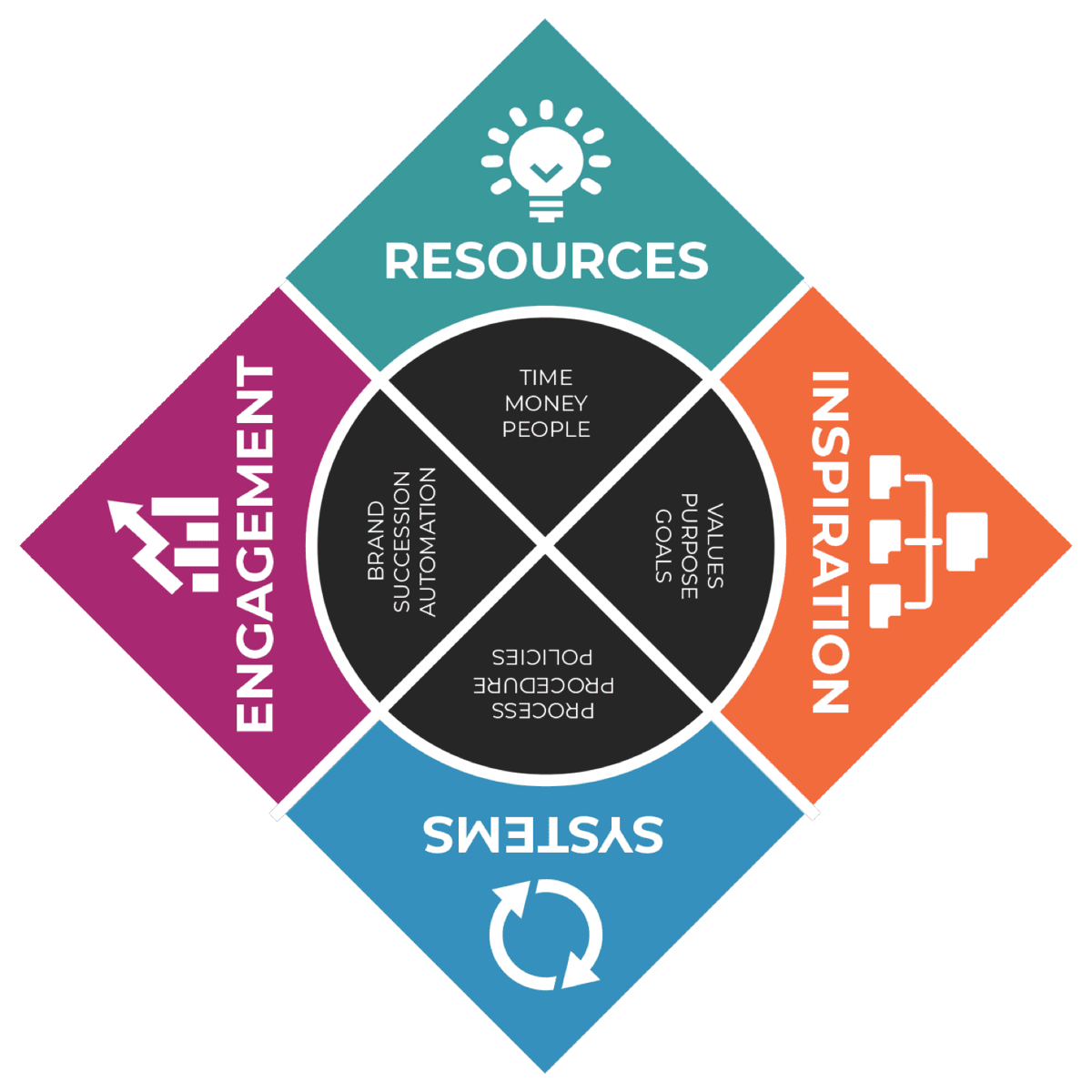
Writing a Marketing Plan is one of four tools in Marketing, part of the Engagement quadrant of the RISE Business Framework.
The RISE tool
RISE Marketing Plan model
| Stage | Assets | Goal | KPI |
|---|---|---|---|
| Plan | Branded content | Feed every stage below | None listed |
| Reach | Search engine, social networks, publishers and blogs | Publish and promote content, allow sharing | Unique visitors |
| Act | Website, blog, community and interactive tools | Clear customer journeys and content that creates leads | Lead conversion rate |
| Convert | Ecom, products, price and promotion | Use automations and retargeting to drive conversion | Revenue/profit |
| Engage | Customer advocacy | Thrilled customers drive social proof, repeat sales and referrals | Referral/advocacy |
How to write a marketing plan, step by step
A marketing plan is the document that says how the business will reach customers and expand into new markets. The RISE version is short on purpose: seven decisions, then a KPI attached to every stage of the customer journey.
- 1
Identify your target audience
Name who you are trying to reach. Use the buyer personas from your Brand Audit, and the spending mindsets in Consumer Psychology.
- 2
Set your objectives
Decide what the plan has to achieve this year. Tie it to your 1-Year Target so marketing pulls in the same direction as the rest of the business.
- 3
Set budget parameters
Agree on what you will spend before you pick channels. RISE handles the detail in Budgeting.
- 4
Research the competition
List who else your audience is considering and what they promise. Your plan should make the difference obvious.
- 5
Choose your channels
Assess the media channels that reach your audience and fit your message. The RISE Channels worksheet lists more than 20 options to weigh.
- 6
Build an execution timeline
Put dates and owners on every campaign. A plan without a timeline is a wish list.
- 7
Attach a KPI to every stage
Track Unique Visitors for Reach, Lead Conversion Rate for Act, Revenue or Profit for Convert, and Referrals or Advocacy for Engage. Review them on your Stoplight Report.
The RISE marketing plan model: Plan, Reach, Act, Convert, Engage
Plan is the branded content that feeds every other stage. Reach is where people discover you: search engines, social networks, publishers and blogs. Act is where they decide: your website, blog, community and interactive tools. Convert is the purchase: products, price, promotion, automations and retargeting. Engage is what happens after: thrilled customers who bring social proof, repeat sales and referrals.
Each stage gets its own assets and its own KPI. When results dip, the KPIs tell you which stage broke instead of leaving you to guess.
A simple marketing plan template
Write one page with seven headings: Audience, Objectives, Budget, Competition, Channels, Timeline and Analytics. Under the page, add a five-row table for Plan, Reach, Act, Convert and Engage with three columns: the assets you will use, the customer journey phase, and the KPI with this year's target.
Marketing plan example
An illustrative example for a local service business. Audience: homeowners within 20 miles. Objective: 40 new customers this quarter. Budget: a fixed monthly amount. Channels: search, a monthly email and referral requests. Reach KPI: unique website visitors. Act KPI: quote requests divided by visitors. Convert KPI: revenue from new customers. Engage KPI: referrals per month.
Keep the plan alive
RISE expects tactics to change as trends shift and customer tastes evolve. Review the KPIs in your weekly Tactical Meeting, and use A/B testing to decide between two approaches instead of debating them.
“In the age of digital dominance, marketing plans have become more intricate, requiring businesses to move beyond traditional methods and embrace new channels and strategies.”Gary Harper
AI RISE Coach
Work through Writing a Marketing Plan with the AI RISE Coach
“Walk me through Writing a Marketing Plan in the RISE Business Framework and help me apply it to my business.”
Quick self-check
“We have consistent company messaging that carries through to all of our marketing materials and creative.”
Frequently asked questions
What should a marketing plan include?
Target audiences, objectives, budget parameters, competitor research, media channels, an execution timeline and analytics. RISE adds a KPI for each stage of the customer journey.
How often should I update my marketing plan?
RISE does not set a fixed schedule. It says to adjust tactics as trends change or customer tastes evolve, using your analytics to guide changes.
What KPIs should a marketing plan track?
RISE tracks unique visitors for reach, lead conversion rate for action, revenue or profit for conversion, and referrals or advocacy for engagement.
The other tools in Marketing
- Analyzing a ProductRate each product on how scalable and how profitable it is, then take the action the 9-Box prescribes.
- Consumer PsychologyMatch your tactics to your buyers' mindset and to how they see your product's spending category.
- A/B TestingRun two campaigns side by side and compare them on eight measures to find what works.
Related in another quadrant: Finance