Systems › Process Execution · 2 of 4
Procedure Guides
By RISE Business Framework · Created by Gary Harper and Brandon McCurdy · Reviewed
A procedure guide outlines the steps needed to complete a task so employees produce consistent, quality results. RISE procedure guides have ten numbered steps. They include detailed instructions with images, diagrams or charts. They are written clearly enough that even a novice can follow them.
How RISE does it
- Ten numbered steps, Step 1 through Step 10.
- Include detailed instructions plus images, diagrams or charts.
- Write clearly and unambiguously so a novice can follow.
- Refine the process before you document the procedure.
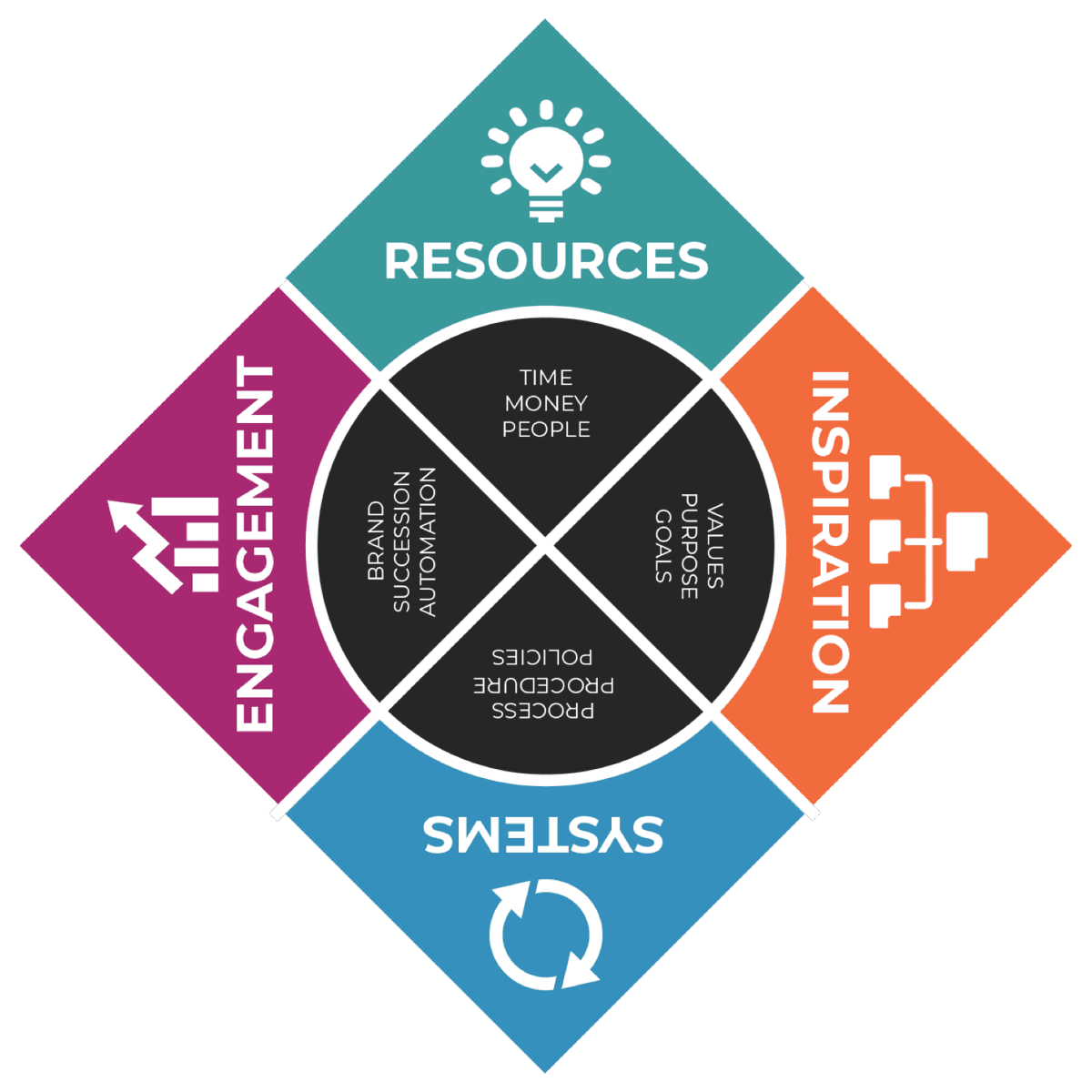
Procedure Guides is one of four tools in Process Execution, part of the Systems quadrant of the RISE Business Framework.
The RISE tool
RISE Procedure Guide template
Name the task, then write one clear action per step.
- 1Step 1:
- 2Step 2:
- 3Step 3:
- 4Step 4:
- 5Step 5:
- 6Step 6:
- 7Step 7:
- 8Step 8:
- 9Step 9:
- 10Step 10:
Add images, diagrams or charts where they make a step clearer.
“Don't document procedures prematurely. Refine your processes first, then let your procedure guides capture the essence of efficiency.”Gary Harper
AI RISE Coach
Work through Procedure Guides with the AI RISE Coach
“Walk me through Procedure Guides in the RISE Business Framework and help me apply it to my business.”
Quick self-check
“We have documented processes, procedures and policies that are easily accessible to our team members.”
Frequently asked questions
What should a procedure guide include?
Clear, step-by-step instructions plus any images, diagrams or charts that help. RISE uses a ten-step format.
What is the difference between a process map and a procedure guide?
A process map shows the big picture of a workflow. A procedure guide walks a person through the steps of one task.
The other tools in Process Execution
- Process MappingA visual map of each step in a process, scored on the RISE 9-Box for how valuable and essential it is.
- Policy TimelinesA simple framework that defines High, Medium and Low priority and sets a target timeline for each.
- Productivity StudiesA weekly time study that tracks units and hours for key activities to find bottlenecks and training needs.
Related in another quadrant: Talent Accountability