Creating SOPs for Every Critical Process – Ensuring Consistency Across Teams
· 3 min read · Systems quadrant

Why Standard Operating Procedures (SOPs) Are Essential for Business Success
Many businesses struggle with inconsistent workflows, inefficiencies, and slow onboarding because they lack standardized procedures.
Without clear, documented SOPs, companies experience:
❌ Employees performing the same task in different ways
❌ Difficulty scaling due to lack of repeatable systems
❌ Errors and miscommunication that slow down execution
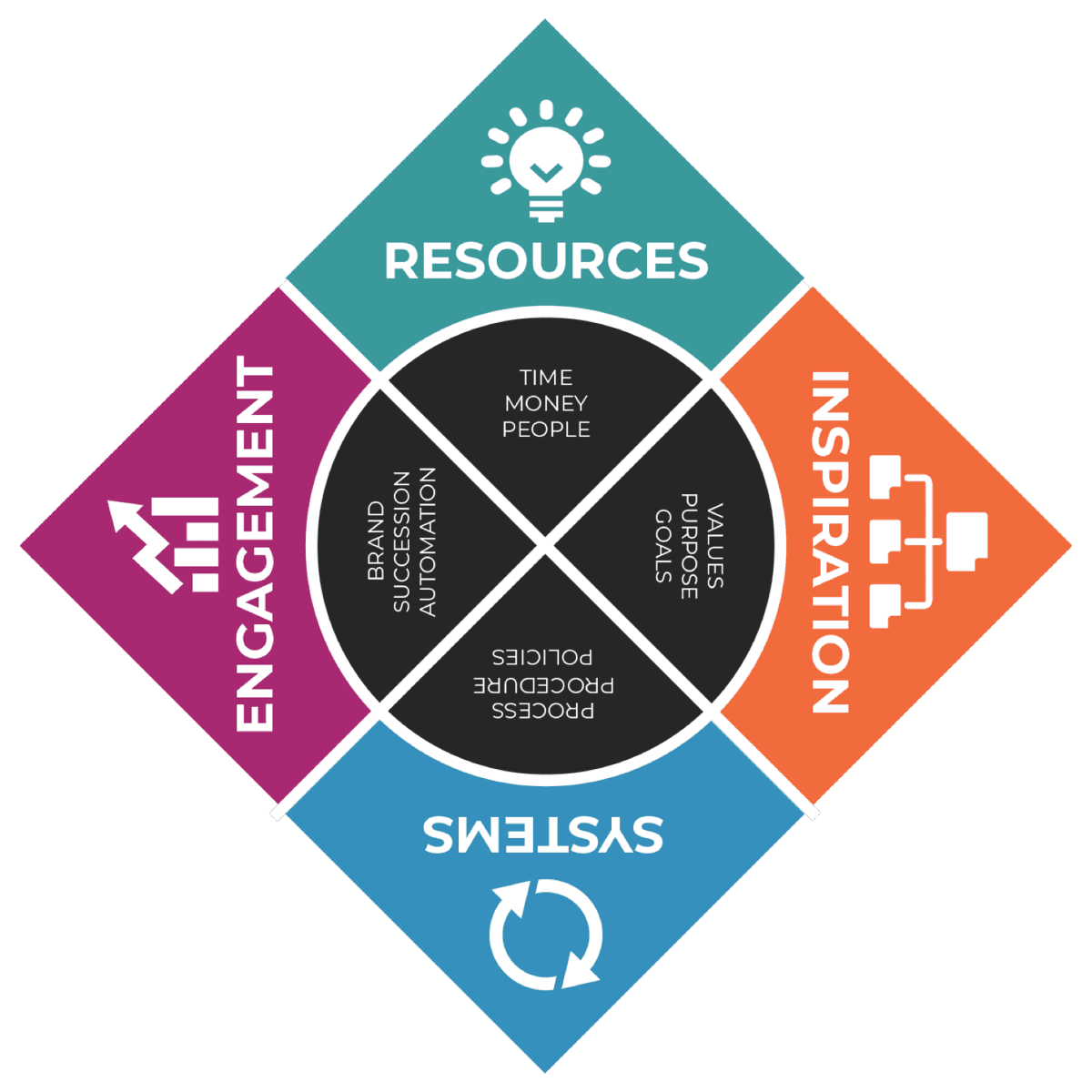
The RISE Business Framework teaches that SOPs ensure consistency, efficiency, and accountability across teams.
If your company relies on tribal knowledge instead of documented processes, it’s time to implement SOPs for every critical workflow.
What is a Standard Operating Procedure (SOP)?
An SOP (Standard Operating Procedure) is a step-by-step guide that outlines how to complete a specific task accurately and efficiently.
Key Components of an Effective SOP:
✔ Objective – What the process achieves and why it matters.
✔ Step-by-Step Instructions – Clear, detailed guidelines for execution.
✔ Roles & Responsibilities – Who is responsible for each step.
✔ Tools & Resources Needed – Any software, templates, or checklists required.
✔ Expected Outcome – What success looks like for this process.
📌 Example: A real estate company might have an SOP for property acquisition, detailing every step from lead generation to contract signing.
Why Businesses Struggle Without SOPs
Many companies fail to document processes because they:
🚫 Rely too much on verbal instructions instead of written procedures.
🚫 Assume employees will “figure it out” on their own.
🚫 Don’t regularly update and improve workflows.
Without SOPs, businesses experience:
❌ Inconsistent performance across teams
❌ Increased training time for new hires
❌ Errors that could have been prevented with clear guidelines
How to Create Effective SOPs for Every Critical Process
The RISE Business Framework provides a structured approach to SOP creation.
Step 1: Identify Critical Business Processes
✔ Focus on high-impact workflows that drive revenue and efficiency.
✔ Include processes in operations, sales, customer service, and HR.
📌 Example: A customer support team might create SOPs for handling complaints, refunds, and escalation procedures.
Step 2: Document Each Process in Detail
✔ Write clear, step-by-step instructions that anyone can follow.
✔ Use simple, action-based language to eliminate confusion.
📌 Example: Instead of saying “Check inventory,” an SOP should say “Log into the inventory system, navigate to the ‘Stock Levels’ tab, and record current stock in the tracking sheet.”
Step 3: Standardize Formats for Consistency
✔ Use checklists, flowcharts, or video tutorials to make SOPs easy to follow.
✔ Ensure SOPs have a consistent format for every department.
📌 Example: A warehouse team SOP might include a step-by-step checklist for order fulfillment, supported by instructional videos.
Step 4: Assign Ownership & Train Employees
✔ Assign process owners responsible for maintaining each SOP.
✔ Conduct regular training to ensure teams follow SOPs correctly.
📌 Example: A marketing team might train new hires on the SOP for launching a new email campaign to maintain brand consistency.
Step 5: Review & Improve SOPs Regularly
✔ Update SOPs as workflows evolve.
✔ Gather feedback from employees to refine procedures.
📌 Example: If a new CRM system is implemented, update the sales SOPs to reflect the new lead tracking process.
Frequently Asked Questions (FAQs)
FAQs About SOPs & Business Efficiency
1. Why are SOPs important for business success?
✔ They ensure consistency across teams, reducing errors and inefficiencies.
✔ They help businesses scale by making processes repeatable and trainable.
2. What’s the biggest mistake companies make when creating SOPs?
✔ Making SOPs too complex or vague —they should be clear, concise, and easy to follow.
3. How often should SOPs be reviewed and updated?
✔ At least annually, but ideally whenever a process changes.
FAQs About the RISE Business Framework
1. How does RISE help businesses create and maintain SOPs?
RISE provides structured process documentation tools, workflow optimization strategies, and accountability systems.
2. Can small businesses benefit from SOPs?
Yes! Smaller businesses need SOPs even more, since they prevent inefficiencies and allow for smooth scaling.
3. How do I start implementing SOPs in my business?
- Take the RISE Business Assessment
- Identify key workflows that need documentation
- Standardize SOPs across all teams
Final Thoughts
SOPs are the foundation of consistency, efficiency, and business scalability.
By documenting and refining critical business processes, companies can:
✅ Reduce errors and improve efficiency
✅ Ensure teams follow best practices every time
✅ Train employees faster and scale operations smoothly
🚀 Want to improve your business operations? Start creating SOPs today!