Inspiration › Leadership · 3 of 4
Art of Delegation
By RISE Business Framework · Created by Gary Harper and Brandon McCurdy · Reviewed
Delegation is handing a task and its responsibility to someone else. RISE frames it as a diagnostic the leader applies per task and per person. Does this person need instruction, a budget, feedback or autonomy? Leader and delegatee must agree on the task and on how much autonomy comes with it.
How RISE does it
- The model has four corners: needs instruction, needs a budget, needs feedback and needs autonomy.
- Apply it to each task and each person, not once for the whole team.
- Leader and delegatee must align on the nature of the task and the level of autonomy.
- Delegating without clarity, or granting autonomy too early, can drain money without results.
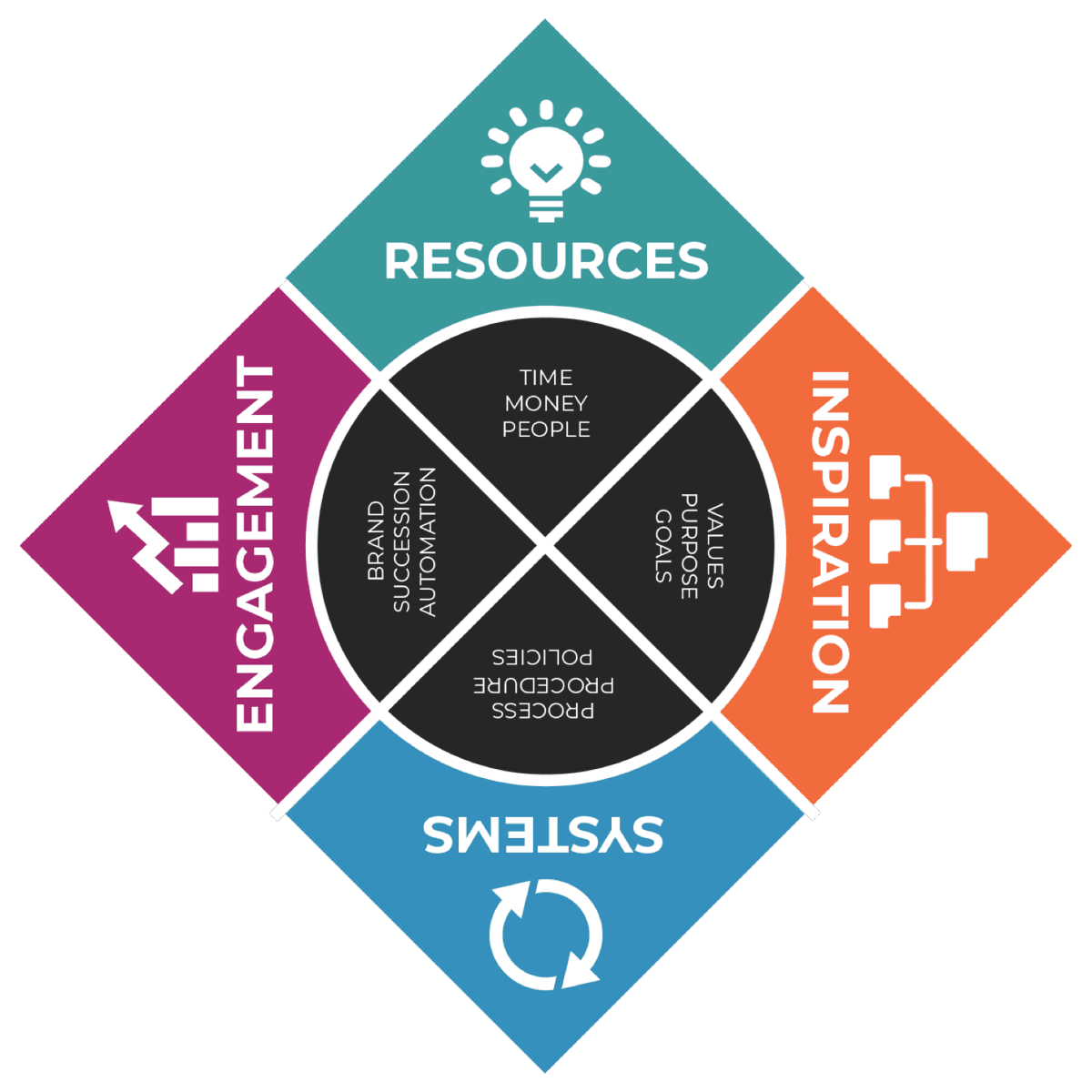
Art of Delegation is one of four tools in Leadership, part of the Inspiration quadrant of the RISE Business Framework.
The RISE tool
The Art of Delegation: what does this person need?
For each task you hand off, decide which of the four the delegatee needs.
- 1Needs instruction
- 2Needs a budget
- 3Needs feedback
- 4Needs autonomy
Agree on the answer together before the work starts.
“Empowerment is the ultimate goal of delegation. It's about cultivating leaders within teams and saying, 'I trust your judgment. Lead the way.'”Gary Harper
AI RISE Coach
Work through Art of Delegation with the AI RISE Coach
“Walk me through Art of Delegation in the RISE Business Framework and help me apply it to my business.”
Frequently asked questions
How do you delegate effectively as a business owner?
Decide what the person needs to succeed: instruction, a budget, feedback or autonomy. Then confirm you both agree on the task and the level of autonomy.
Why does delegation fail?
It usually fails from unclear expectations or autonomy given too early. RISE warns this can lead to financial drain without tangible returns.
The other tools in Leadership
- Importance of LeadershipThe RISE leadership model: challenge, inspire, model and empower, which together encourage the people you lead.
- Leadership vs ManagementTwo parallel 20-item assessments that score your leadership and your management separately, so you can see where to grow.
- Leadership AuditFour simple questions you answer every week to check how you are leading.
Related in another quadrant: Talent Accountability