Motivating Teams to Take Ownership – How to Empower Your Workforce
· 3 min read · Inspiration quadrant

Why Ownership Mindset is the Key to a High-Performing Team
Many business owners struggle with employees who do the bare minimum, waiting for direction rather than taking initiative.
When a team lacks ownership, businesses face:
❌ Low engagement & motivation
❌ Micromanagement from leadership
❌ Missed opportunities for growth & innovation
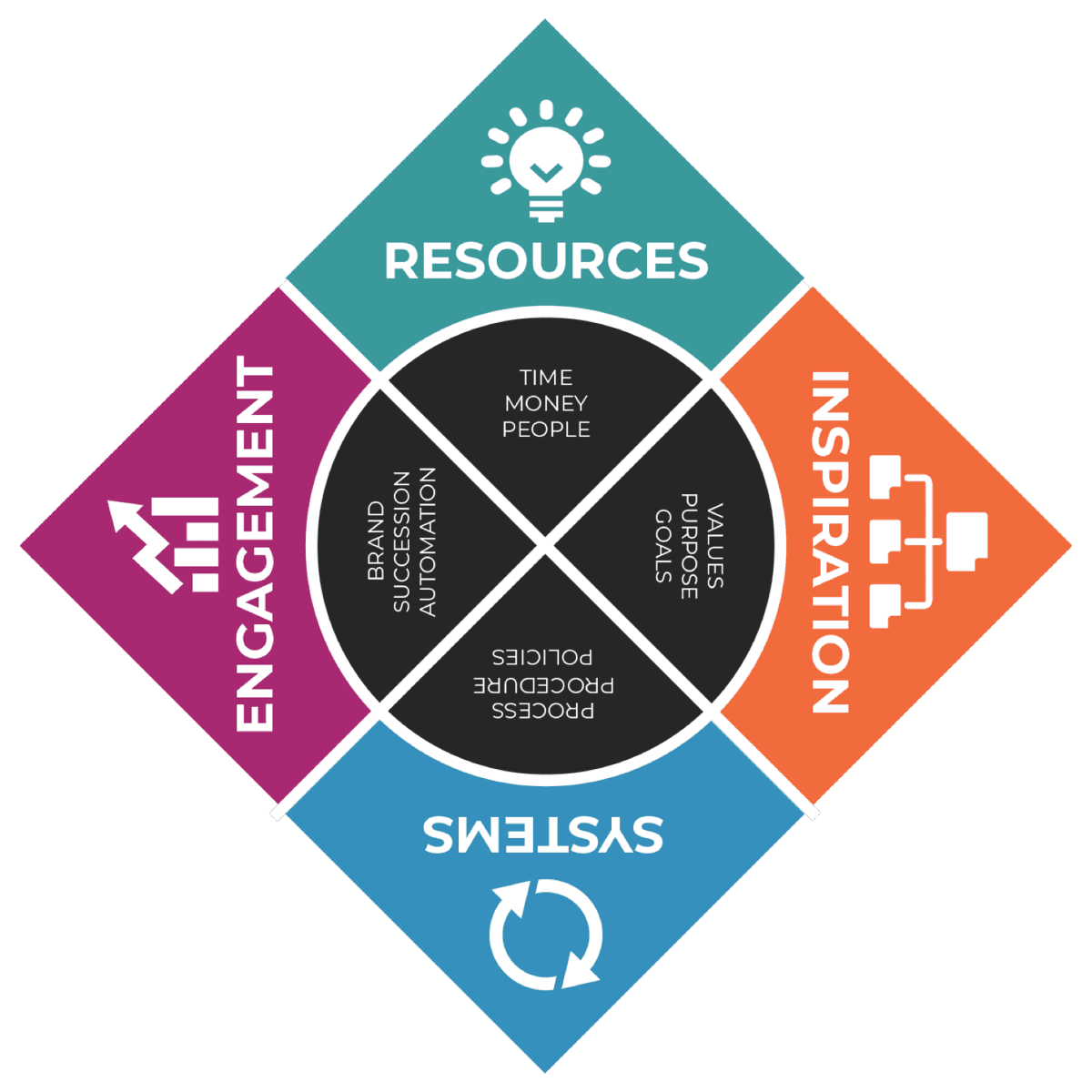
The RISE Business Framework teaches that empowered teams create stronger businesses by fostering a culture where employees think like owners, take responsibility, and drive success.
If your team needs constant supervision and direction, it’s time to shift from managing to empowering.
What Does “Taking Ownership” Really Mean?
A team that takes ownership doesn’t just complete tasks —they:
✔ Proactively solve problems instead of waiting for instructions
✔ Think like leaders and make decisions that benefit the company
✔ Feel personally responsible for business success
📌 Example: Instead of saying, “That’s not my job,” an ownership-driven employee asks, “How can I help solve this?”
Why Teams Struggle with Ownership
Many businesses unintentionally discourage ownership by:
🚫 Micromanaging instead of trusting employees
🚫 Not giving employees a clear purpose & autonomy
🚫 Failing to recognize and reward proactive behavior
Without ownership, employees become passive, disengaged, and reluctant to take initiative.
How to Empower Your Workforce & Foster Ownership
The RISE Business Framework provides a structured approach to team empowerment.
Step 1: Give Employees a Clear Mission & Purpose
✔ Clearly define how each role contributes to the company’s success.
✔ Ensure employees understand and align with the company vision.
📌 Example: Instead of just telling a sales team to “increase revenue,” connect their work to a larger purpose: “Our mission is to help businesses succeed—your role is to bring them the solutions they need.”
Step 2: Shift from Micromanaging to Coaching
✔ Trust employees to make decisions and own their tasks.
✔ Provide guidance, but let them take the lead.
📌 Example: Instead of giving step-by-step instructions, ask: “What do you think is the best way to handle this?”
Step 3: Create Accountability Without Fear
✔ Use Stoplight Reports to track performance transparently.
✔ Encourage employees to own mistakes and learn from them.
📌 Example: If an employee makes a mistake, instead of placing blame, focus on problem-solving and improvement.
Step 4: Recognize & Reward Ownership Behavior
✔ Celebrate employees who take initiative and go beyond their job description.
✔ Provide opportunities for growth, promotions, and leadership development.
📌 Example: Publicly acknowledge employees who demonstrate leadership, problem-solving, and initiative in team meetings.
Frequently Asked Questions (FAQs)
FAQs About Employee Ownership & Empowerment
1. How do I know if my team lacks ownership?
If employees avoid responsibility, blame others, or wait for instructions, they don’t feel empowered to take ownership.
2. What’s the biggest mistake businesses make in motivating teams?
Micromanaging— when leaders control every detail, employees lose confidence and stop thinking for themselves.
3. How do I measure whether my team is taking ownership?
✔ Look for employees who proactively solve problems
✔ Track engagement levels and initiative in decision-making
✔ Monitor team participation in strategic discussions
FAQs About the RISE Business Framework
1. How does RISE help businesses build a culture of ownership?
RISE provides leadership training, accountability systems, and empowerment strategies to develop self-driven teams.
2. Can small businesses benefit from employee ownership strategies?
Yes! Small businesses need ownership even more since each employee has a greater impact on success.
3. How do I start implementing an ownership culture in my business?
- Take the RISE Business Assessment
- Train leaders to coach, not micromanage
- Use Stoplight Reports for accountability & growth
Final Thoughts
A culture of ownership is what separates high-performing teams from average ones.
By empowering employees to take responsibility, solve problems, and align with company goals, businesses can reduce micromanagement, increase motivation, and drive long-term success.
🚀 Want to transform your team into proactive leaders? Start by fostering an ownership mindset today!