Strategic Meetings: Planning for Business Growth – Setting Quarterly Goals
· 3 min read · Systems quadrant

Why Strategic Meetings Are Essential for Business Growth
Many businesses operate without a clear strategy, making decisions based on what’s urgent today rather than what drives long-term success.
Without structured strategic meetings, companies struggle with:
❌ Disorganized priorities and lack of focus
❌ Teams misaligned on long-term goals
❌ Slow or inconsistent growth due to reactive decision-making
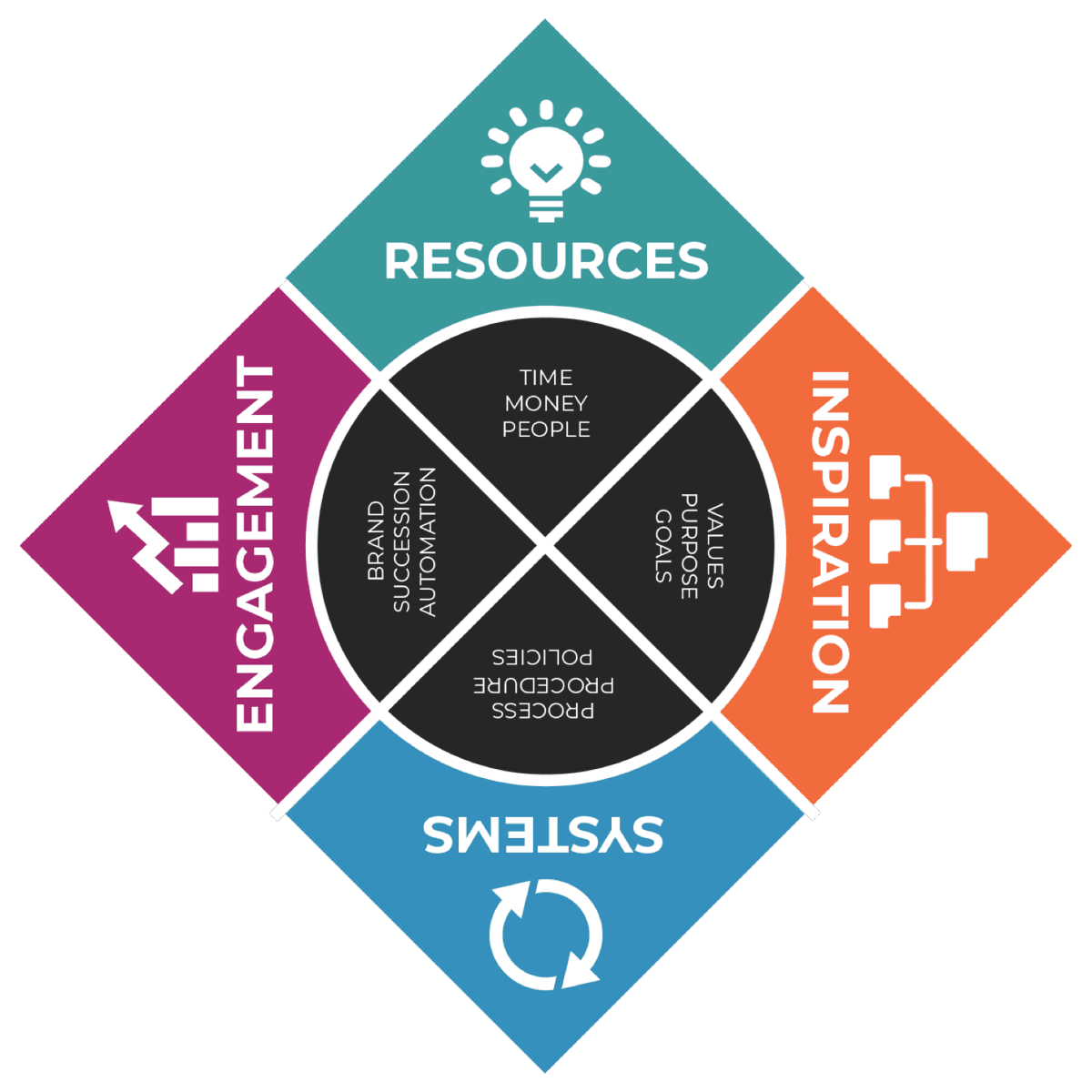
The RISE Business Framework teaches that quarterly strategic meetings help businesses plan for the future, track progress, and stay aligned with their vision.
If your company isn’t setting and reviewing strategic goals every quarter, you may be missing opportunities for sustainable growth.
What is a Strategic Meeting?
A Strategic Meeting is a quarterly planning session where leadership:
✔ Reviews progress toward long-term business goals
✔ Identifies challenges and opportunities
✔ Sets clear priorities for the next 90 days
📌 Example: A company with a vision to expand into new markets might use a strategic meeting to assess progress, adjust strategies, and set new quarterly milestones.
Why Businesses Struggle Without Strategic Meetings
Many companies fail to grow because they:
🚫 Only focus on short-term execution without long-term strategy.
🚫 Set goals once a year but don’t adjust quarterly.
🚫 Lack alignment between leadership, departments, and teams.
Without quarterly strategic meetings, businesses experience:
❌ Missed opportunities due to lack of planning
❌ A reactive approach instead of a proactive strategy
❌ Leadership confusion about priorities and next steps
How to Run an Effective Strategic Meeting
The RISE Business Framework provides a structured approach to quarterly strategic meetings.
Step 1: Review Past Quarter’s Performance
✔ Analyze what worked and what didn’t.
✔ Look at KPIs, revenue growth, and key business metrics.
📌 Example: If sales growth was slower than expected, discuss why and what changes need to be made.
Step 2: Identify Key Challenges & Opportunities
✔ What internal or external factors impacted the business?
✔ Where are the biggest growth opportunities for the next quarter?
📌 Example: If a competitor launched a new product, how will your company respond?
Step 3: Set 3–5 Clear Quarterly Goals
✔ Focus on high-impact objectives that align with long-term strategy.
✔ Assign ownership to leadership and teams.
📌 Example: Instead of saying “Increase sales,” set a SMART goal: “Increase Q3 sales by 15% by launching a new referral program.”
Step 4: Align Teams & Define Action Steps
✔ Break goals into specific initiatives and next steps.
✔ Ensure each department understands their role in execution.
📌 Example: If improving customer retention is a goal, marketing might develop a customer loyalty program, while support enhances client communication.
Step 5: Schedule Follow-Ups & Accountability Check-Ins
✔ Set monthly check-ins to track progress.
✔ Use Stoplight Reports to monitor performance.
📌 Example: If a goal falls into the red zone (off track), leadership can adjust strategy before the quarter ends.
Frequently Asked Questions (FAQs)
FAQs About Strategic Meetings & Growth Planning
1. How often should businesses hold strategic meetings?
✔ Quarterly to adjust goals and strategy.
✔ Annually for high-level business planning.
2. What’s the biggest mistake companies make in strategic meetings?
Setting too many goals instead of focusing on 3–5 key priorities that drive the most impact.
3. How do I ensure my team follows through on strategic goals?
✔ Assign clear ownership of each goal.
✔ Use KPIs and Stoplight Reports for accountability.
✔ Hold monthly check-ins to track progress.
FAQs About the RISE Business Framework
1. How does RISE help businesses improve strategic planning?
RISE provides goal-setting frameworks, tracking tools, and leadership alignment strategies.
2. Can small businesses benefit from strategic meetings?
Yes! Small businesses need structured planning even more, since each decision has a direct impact on growth.
3. How do I start implementing quarterly strategic meetings?
- Take the RISE Business Assessment
- Define key quarterly business objectives
- Use Stoplight Reports to track goal progress
Final Thoughts
Strategic meetings provide the roadmap for business growth.
By holding quarterly planning sessions, businesses can:
✅ Align leadership & teams on key priorities
✅ Track progress toward long-term goals
✅ Ensure accountability & execution
🚀 Want to scale your business? Start by setting quarterly goals today!