The Power of Process Execution – Documenting and Refining Systems for Efficiency
· 3 min read · Systems quadrant

Why Process Execution is Critical for Business Success
Many businesses struggle with inconsistencies, inefficiencies, and slow execution because they lack documented processes.
Without clear and repeatable systems, companies experience:
❌ Employees completing the same tasks in different ways
❌ Bottlenecks that slow down production or service delivery
❌ Difficulty training new hires and scaling operations
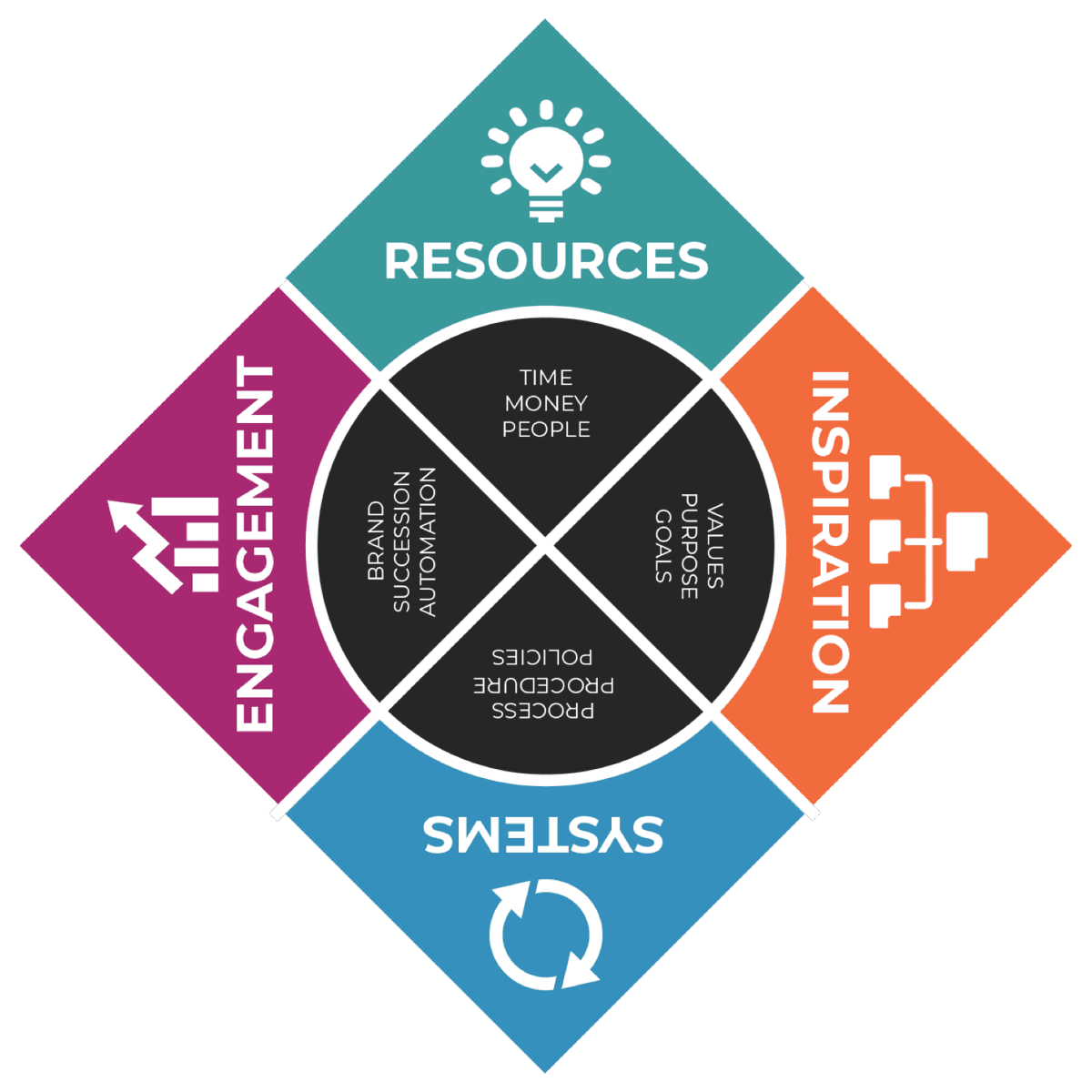
The RISE Business Framework teaches that documenting and refining business processes is key to efficiency, scalability, and profitability.
If your company relies too much on verbal instructions and tribal knowledge, it’s time to implement structured process execution.
What is Process Execution?
Process execution is the systematic approach to documenting, refining, and enforcing business workflows to ensure consistency and efficiency.
Key Aspects of Process Execution:
✔ Documenting – Clearly outlining step-by-step procedures.
✔ Standardizing – Ensuring tasks are completed the same way every time.
✔ Tracking & Refining – Monitoring performance and improving processes.
📌 Example: A customer support team without a standardized process might handle similar issues differently, leading to inconsistent resolutions and frustrated customers.
Why Businesses Struggle Without Documented Processes
Many companies fail to establish process execution because they:
🚫 Rely on verbal instructions instead of written procedures
🚫 Assume employees will “figure it out” without guidance
🚫 Lack tracking systems to identify inefficiencies
Without documented processes, businesses experience:
❌ Errors and rework due to lack of clarity
❌ Wasted time training employees from scratch
❌ Difficulty scaling because workflows are inconsistent
How to Document & Refine Business Processes for Efficiency
The RISE Business Framework provides a structured approach to process execution.
Step 1: Identify Key Business Processes
✔ Focus on core workflows that drive revenue and efficiency.
✔ Include operations, customer service, sales, and HR processes.
📌 Example: A real estate investment firm might document deal sourcing, financing, and closing procedures.
Step 2: Create Standard Operating Procedures (SOPs)
✔ Write clear, step-by-step instructions for each process.
✔ Use checklists, flowcharts, or video tutorials to enhance clarity.
📌 Example: A restaurant chain might have an SOP for food prep, order handling, and customer service to maintain consistency across locations.
Step 3: Automate & Streamline Processes
✔ Use workflow automation tools to reduce manual tasks.
✔ Eliminate unnecessary steps that slow down execution.
📌 Example: A marketing agency might automate client onboarding and reporting to save time.
Step 4: Train Employees & Enforce Process Compliance
✔ Ensure every team member is trained on documented procedures.
✔ Implement ongoing reviews to improve processes over time.
📌 Example: A logistics company might conduct quarterly process reviews to optimize warehouse operations.
Frequently Asked Questions (FAQs)
FAQs About Process Execution & Business Efficiency
1. Why is documenting processes important?
✔ It reduces errors, improves efficiency, and makes scaling easier.
✔ It ensures consistency in customer experience and internal workflows.
2. What’s the biggest mistake companies make when trying to refine processes?
✔ Overcomplicating SOPs —documents should be clear and actionable, not overwhelming.
3. How do I measure if process execution is improving business efficiency?
✔ Track time saved, error rates, and productivity improvements.
✔ Compare before-and-after process execution data.
FAQs About the RISE Business Framework
1. How does RISE help businesses improve process execution?
RISE provides structured documentation tools, automation strategies, and workflow tracking systems.
2. Can small businesses benefit from process documentation?
Yes! Smaller businesses need structured workflows even more, since inefficiencies have a greater impact on daily operations.
3. How do I start implementing process execution improvements?
- Take the RISE Business Assessment
- Document your core business processes
- Train your team on standardized workflows
Final Thoughts
Process execution is the foundation of efficiency, consistency, and scalability.
By documenting and refining workflows, businesses can:
✅ Reduce errors and improve efficiency
✅ Train employees faster with standardized procedures
✅ Scale operations seamlessly without chaos
🚀 Want to optimize your business processes? Start documenting your workflows today!