The Four Types of Meetings Every Business Needs – Culture, strategic, organizational, and tactical.
· 4 min read · Systems quadrant

Why Meetings Matter in Business Growth
Meetings are a critical tool for business success—but only if they are structured and intentional.
Without the right meeting framework, businesses face:
❌ Wasted time in unproductive meetings
❌ Lack of clarity on goals and accountability
❌ Disorganized leadership and decision-making
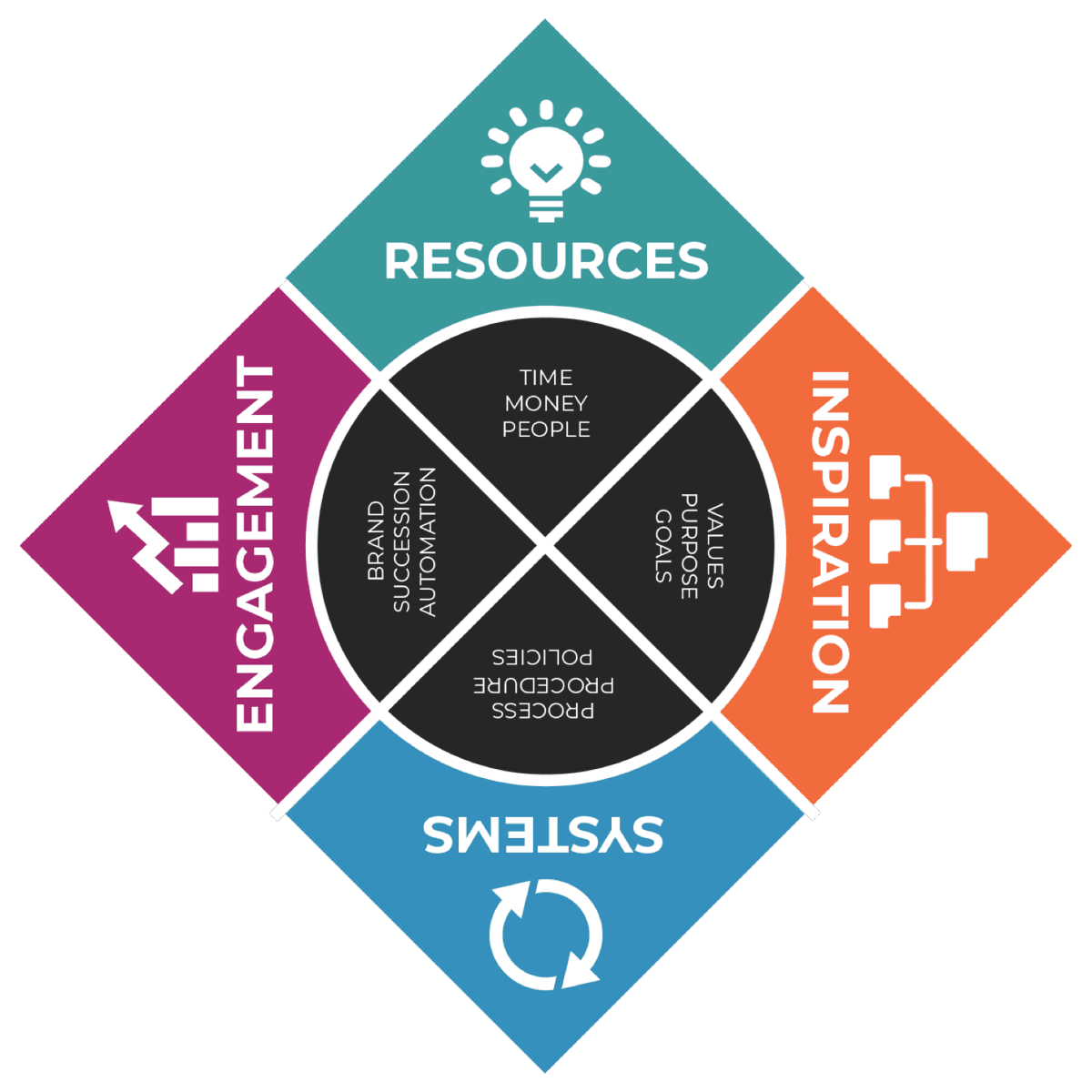
The RISE Business Framework teaches that businesses need four key types of meetings to ensure alignment, strategy, and execution.
If your meetings lack purpose or don’t drive results, it’s time to implement a structured meeting rhythm.
The Four Essential Types of Business Meetings
Each type of meeting serves a unique function in keeping a business aligned, productive, and growing.
| Meeting Type | Purpose | Frequency | Who Attends? |
|---|---|---|---|
| Culture Meetings | Reinforce core values & company vision | Quarterly | All Employees |
| Strategic Meetings | Focus on long-term growth & big-picture goals | Quarterly/Annually | Executives & Leadership |
| Organizational Meetings | Ensure teams are structured & aligned | Monthly | Department Heads |
| Tactical Meetings | Drive day-to-day execution & accountability | Weekly | Team Members |
1. Culture Meetings – Reinforcing Values & Mission
Culture meetings ensure that your team stays connected to the company’s purpose.
✔ Purpose: Strengthen company culture, boost morale, and align employees with core values.
✔ Agenda: Vision updates, employee recognition, culture-building exercises.
✔ Outcome: A motivated team that believes in the company’s mission.
📌 Example: A quarterly town hall where leadership shares company updates, celebrates wins, and reinforces company values.
2. Strategic Meetings – Planning for Long-Term Growth
Strategic meetings focus on where the company is headed and how to get there.
✔ Purpose: Define long-term goals, review progress, and adjust strategy.
✔ Agenda: Market trends, competitive analysis, high-level business objectives.
✔ Outcome: A clear direction for leadership and company-wide alignment.
📌 Example: A leadership retreat where executives set vision, assess growth opportunities, and review annual objectives.
3. Organizational Meetings – Aligning Teams & Departments
Organizational meetings keep departments aligned and structured.
✔ Purpose: Improve communication between departments, optimize workflows, and address bottlenecks.
✔ Agenda: Department updates, cross-team collaboration, operational improvements.
✔ Outcome: A well-structured team that operates efficiently.
📌 Example: A monthly operations meeting where department heads review team performance, share challenges, and align on upcoming priorities.
4. Tactical Meetings – Executing Daily Business Operations
Tactical meetings ensure that teams stay accountable and focused on execution.
✔ Purpose: Drive action, solve problems, and review performance.
✔ Agenda: Weekly priorities, project updates, KPI tracking.
✔ Outcome: Faster execution and improved accountability.
📌 Example: A weekly team huddle where employees share progress, identify roadblocks, and plan the week ahead.
Why Businesses Struggle Without a Meeting Framework
Many businesses experience meeting overload because they:
🚫 Hold too many unstructured meetings without clear outcomes.
🚫 Fail to align meetings with business goals.
🚫 Neglect key meetings that drive vision, strategy, and execution.
Without structured meetings, businesses face:
❌ Confused employees who lack direction
❌ Missed deadlines due to poor communication
❌ A disconnected leadership team with no clear strategy
How to Implement a Structured Meeting System
The RISE Business Framework provides a structured approach to running effective meetings.
Step 1: Define the Purpose of Each Meeting
✔ Identify which meetings are missing or ineffective.
✔ Ensure every meeting has a clear goal and action plan.
📌 Example: If your business lacks strategic planning, schedule quarterly strategic meetings to review long-term goals.
Step 2: Establish a Meeting Rhythm
✔ Schedule meetings at consistent intervals (weekly, monthly, quarterly).
✔ Assign owners to lead each meeting and keep discussions focused.
📌 Example: Set a standing time for weekly tactical meetings to ensure teams stay aligned on execution.
Step 3: Use Agendas & Accountability Tools
✔ Every meeting should have a structured agenda.
✔ Assign action items and track follow-ups.
📌 Example: Use Stoplight Reports to track progress in tactical and organizational meetings.
Step 4: Continuously Improve Meeting Efficiency
✔ Review meeting effectiveness every quarter.
✔ Cut unnecessary meetings and optimize for impact.
📌 Example: If a meeting isn’t driving results, modify the format or frequency.
Frequently Asked Questions (FAQs)
FAQs About Business Meetings & Productivity
1. How do I know if my business meetings are effective?
✔ Meetings have clear agendas and action items.
✔ Employees leave with direction and next steps.
✔ Time spent in meetings leads to business progress.
2. What’s the biggest mistake businesses make with meetings?
Holding too many unstructured meetings that lack accountability or clear outcomes.
3. How do I reduce unnecessary meetings?
✔ Only hold meetings when necessary.
✔ Replace status update meetings with automated reporting tools.
FAQs About the RISE Business Framework
1. How does RISE help businesses improve meeting efficiency?
RISE provides structured meeting frameworks, accountability tools, and leadership training.
2. Are these meeting structures only for large businesses?
No! Small businesses benefit even more because structured meetings save time and improve efficiency.
3. How do I start improving meetings in my business?
- Take the RISE Business Assessment
- Implement weekly tactical meetings for execution
- Schedule quarterly strategic meetings for vision & planning
Final Thoughts
The right meeting structure ensures that vision, strategy, operations, and execution are all aligned.
By implementing culture, strategic, organizational, and tactical meetings, businesses can create a more focused, accountable, and high-performing team.
🚀 Want to optimize meetings for productivity? Start by defining your meeting structure today!