Resources › Finance · 2 of 4
Budgets
By RISE Business Framework · Created by Gary Harper and Brandon McCurdy · Reviewed
A business budget is a plan for how income will cover expenses, savings and investments over a period. In RISE, you first determine total income and expenses, set money aside, then allocate the rest by short-term priority. The worksheet has four blocks: operating and non-recurring expenses, and operating and non-operating income.
How RISE does it
- Shows where costs can be reduced and which investments give the best return.
- Start with total income and expenses.
- Set aside money for savings or investments, then allocate the rest by short-term need.
- Track progress over time and adjust as needed.
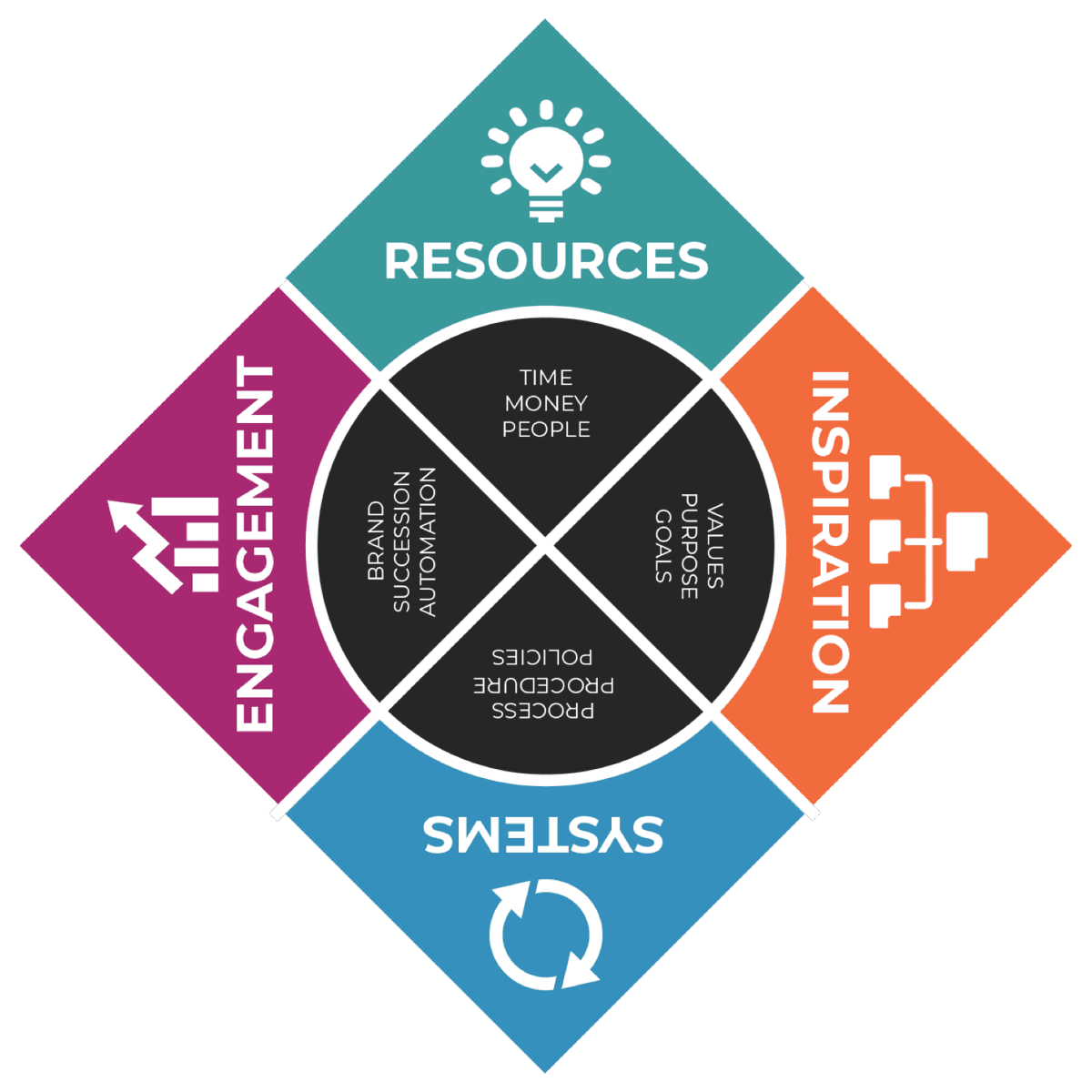
Budgets is one of four tools in Finance, part of the Resources quadrant of the RISE Business Framework.
The RISE tool
RISE budget blocks
| Block | Line items | Total line |
|---|---|---|
| Operating Expenses | Accounting & Legal, Advertising, Dues & Subscriptions, Insurance, Maintenance & Repairs, Office Supplies, Payroll Expenses, Postage, Rent, Research & Development, Salaries & Wages, Taxes & Licenses, Telephone & Internet, Travel, Utilities, Other | Total Recurring Expenses |
| Non-Recurring Expenses | Software, Gifts Given, Other | Total Non-Recurring Expenses |
| Operating Income | Category 1, Category 2, Category 3, Other | Total Operating Income |
| Non-Operating Income | Interest Income, Rental Income, Other | Total Non-Operating Income |
“Comparing your budget to the P&L is like checking if your dreams align with your reality. It’s where you adjust the sails to reach your financial horizon.”Gary Harper
AI RISE Coach
Work through Budgets with the AI RISE Coach
“Walk me through Budgets in the RISE Business Framework and help me apply it to my business.”
Quick self-check
“We keep our financial records organized and clean and can generate accurate reports when needed.”
Frequently asked questions
How do I create a budget for my small business?
Determine total income and expenses, set money aside for savings or investments, then allocate the rest by short-term priority. RISE organizes it into four blocks of expenses and income.
What is the difference between recurring and non-recurring expenses?
Recurring expenses, like rent and payroll, happen every period. Non-recurring expenses, like software or gifts, are one-time costs, and RISE budgets them separately.
The other tools in Finance
- Pro FormasProject income and expenses across three periods to see whether the business will stay profitable.
- P&LsRecord actual income and expenses for a period using the same line items as your Pro Forma.
- Variance ReportsCompare budget to actual line by line, calculate the variance and assign an outcome.
Related in another quadrant: Stoplight Reports