Process Ownership Charts: Boost Business Efficiency
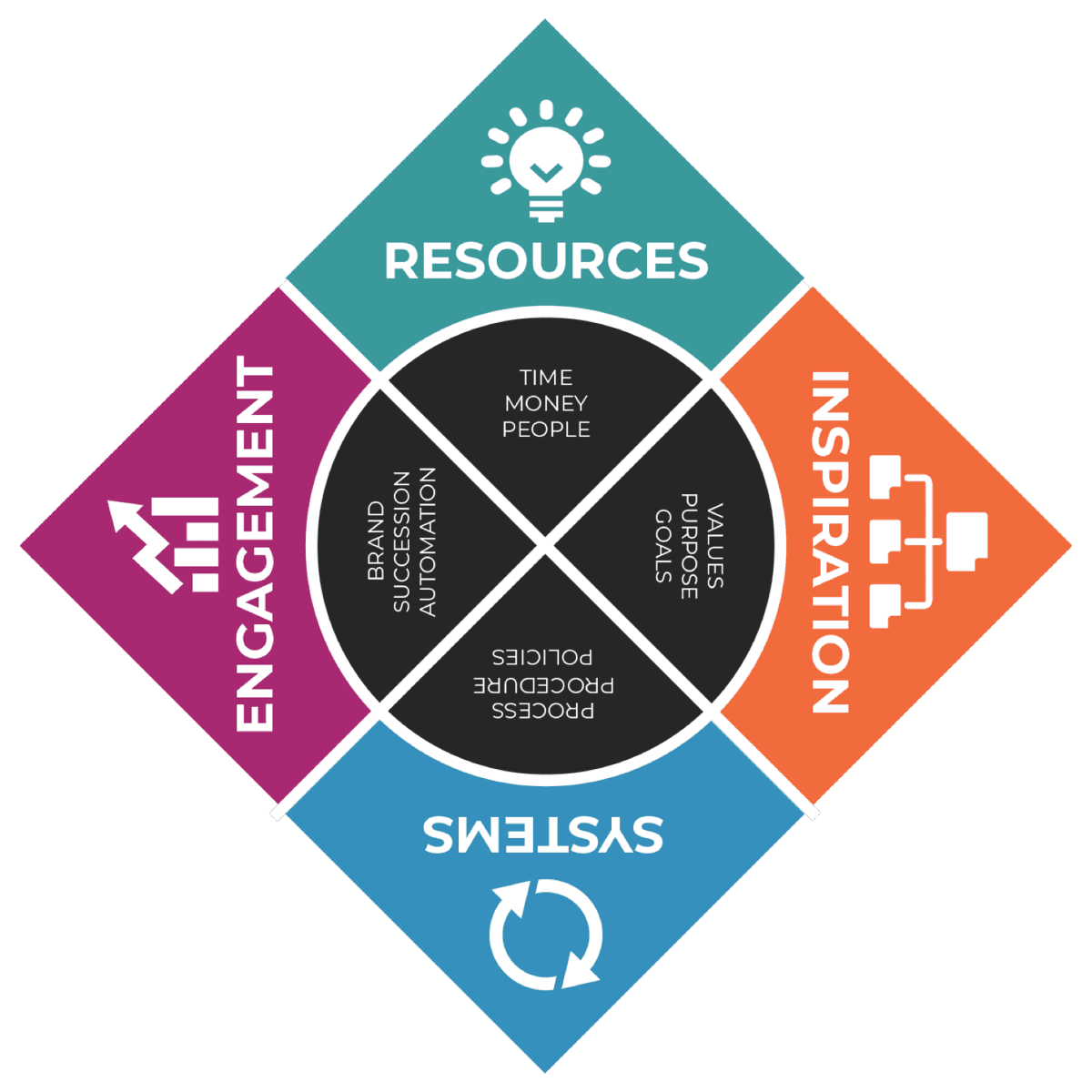
· 6 min read · Resources quadrant

Unlocking Success: Mastering Process Ownership Charts for Business Growth
Did you know that implementing process ownership charts can boost your organization’s efficiency by up to 30%? In today's competitive landscape, understanding your business processes is critical to achieving success. From streamlining operations to enhancing accountability, process ownership charts play a vital role in enhancing productivity and solving problems effectively. In this comprehensive guide, we will explore what process ownership charts are, how to create and implement them, and the myriad benefits they can bring to your company, helping you make informed decisions for your business's growth and sustainability.

What Are Process Ownership Charts?
Process ownership charts are visual tools that outline the responsibilities of team members involved in various processes within an organization. By clarifying who owns what, these charts create accountability and help ensure that tasks are completed efficiently. Each chart typically includes important details such as the process steps, the individuals responsible for each step, and the resources needed to get the job done.
In an era where businesses need to be agile, having clarity about who is in charge of different processes can significantly reduce confusion and delays, leading to a more streamlined operation.
Why Are Process Ownership Charts Important?
- Enhanced Accountability:
One of the primary benefits of process ownership charts is the clarity they provide. When each person knows their responsibilities, it fosters a culture of accountability. Employees understand what is expected of them and are more likely to take ownership of their tasks.
- Improved Communication:
These charts enhance communication within teams by ensuring everyone is aligned on their roles. They serve as a reference point for discussions about specific processes, making it easier to address any issues or misunderstandings that arise.
- Streamlining Processes:
When creating a process ownership chart, organizations can identify redundancies and bottlenecks. This analysis allows businesses to streamline workflows and improve efficiency, ultimately saving time and resources.
- Facilitating Training and Onboarding:
Process ownership charts can be invaluable in training new employees. By clearly outlining who does what, trainers can easily walk newcomers through the processes they will be involved in, leading to a quicker and more efficient onboarding process.

How to Create a Process Ownership Chart
Building a process ownership chart requires careful planning and collaboration. Below is a structured step-by-step guide to help you create effective charts for your organization:
- Identify Core Processes:
Start by collecting data on the key processes within your organization. This can involve interviews and meetings with team members to gain insights into the workflows in different departments.
- Define Ownership:
For each process identified, determine who is responsible for each stage. This may require discussions to clarify roles and ensure that everyone understands their responsibilities.
- Map the Process:
Use flow charts, diagrams, or specialized software tools to visually represent the process. Make sure to highlight the responsibilities of each team member clearly in your visuals.
- Validate and Review:
Share the draft with team members involved in the processes for feedback. This collaborative approach ensures all major concerns are addressed and helps refine the chart into a more accurate representation of the workflow.
- Implement and Train:
Once the chart has been finalized, present it to the team and provide training on how to use it effectively. Make sure everyone understands how it relates to their daily responsibilities and the overall goals of the company.
- Monitor and Update Regularly:
Over time, processes may change, so it’s essential to keep the process ownership charts current. Schedule regular reviews to ensure the charts reflect any new responsibilities or procedural adjustments.
Tools for Creating Process Ownership Charts
There are various tools available to help create effective process ownership charts. Here are some popular options:
- Lucidchart:
An excellent tool for creating flow diagrams and process charts that offer collaborative features, allowing multiple users to build charts simultaneously.
- Visio:
Part of Microsoft Office, Visio provides a comprehensive suite for making detailed diagrams and charts, suitable for more complex processes.
- Miro:
Miro is a collaborative online whiteboard platform that allows teams to visually map processes. It is excellent for brainstorming sessions and workshops.
- Trello or Asana:
While not specifically for charts, project management tools like Trello and Asana can position tasks against responsible team members, serving as an informal process ownership chart.

Implementing Process Ownership Charts in Your Company
To incorporate process ownership charts into your company successfully, consider these foundational steps:
- Gain Support from Leadership:
Present the value of process ownership charts to leadership to help secure their backing in the implementation phase.
- Engage Employees:
Involve employees from various departments in the development process. This collaborative effort will enable buy-in and ease of implementation.
- Establish Clear Objectives:
Define clear goals and what the company hopes to achieve from implementing these charts. This could relate to reducing response times, decreasing errors, or improving overall efficiency.
- Communicate Regularly:
Keep the lines of communication open throughout the implementation. Regular updates on the process will help alleviate uncertainties and ensure that employees feel supported.
- Solicit Feedback:
After implementation, continuously gather feedback on how well employees feel the charts are working. Adapt and modify your approach based on the feedback you receive.
Benefits of Process Ownership Charts
The benefits of implementing process ownership charts go beyond just mapping out workflows. Here are some of the additional advantages:
- Reduction of Errors:
When responsibilities are clarified, the likelihood of errors occurring decreases. Personnel knows what they are accountable for, minimizing overlap.
- Better Decision Making:
With clear ownership, decision-making becomes straightforward. When issues arise, everyone knows who to approach, facilitating timely and informed decisions.
- Boosting Employee Morale:
Employees feel more engaged and satisfied when given clear responsibilities. This sense of ownership can lead to higher performance and morale.
- Enhanced Problem-Solving:
Process ownership charts allow for a quicker identification of issues as they arise, leading to more effective problem resolution. Understanding who is responsible lets teams tackle problems with the right people involved.
So Now What?
By embracing the potential of process ownership charts, you can drive significant improvements in your organization’s efficiency and productivity. The structured approach to defining roles and responsibilities empowers teams and fosters a sense of ownership and accountability.
As you venture into incorporating process ownership charts in your business, remember that the process is continuous. Regularly assess their effectiveness and keep your charts up to date. This ongoing commitment will ensure your organization remains agile and prepared to navigate challenges head-on.
If you want to take your understanding a step further, take the RISE Business Assessment to analyze your current processes and see how process ownership charts can fit into your overall business strategy. Visit the RISE Business Framework to start your journey towards a more efficient and productive business today! Remember, effective decision-making starts with clarity—so begin mapping the way forward!