How to Develop a Messaging Strategy – Crafting a Brand Voice That Resonates
· 3 min read · Engagement quadrant

Why Your Messaging Strategy Matters
Many businesses struggle to connect with their audience because their brand messaging is unclear, inconsistent, or ineffective.
Without a well-defined messaging strategy, companies experience:
❌ Confused customers who don’t understand what they offer
❌ Marketing campaigns that fail to generate leads
❌ Inconsistent communication across different platforms
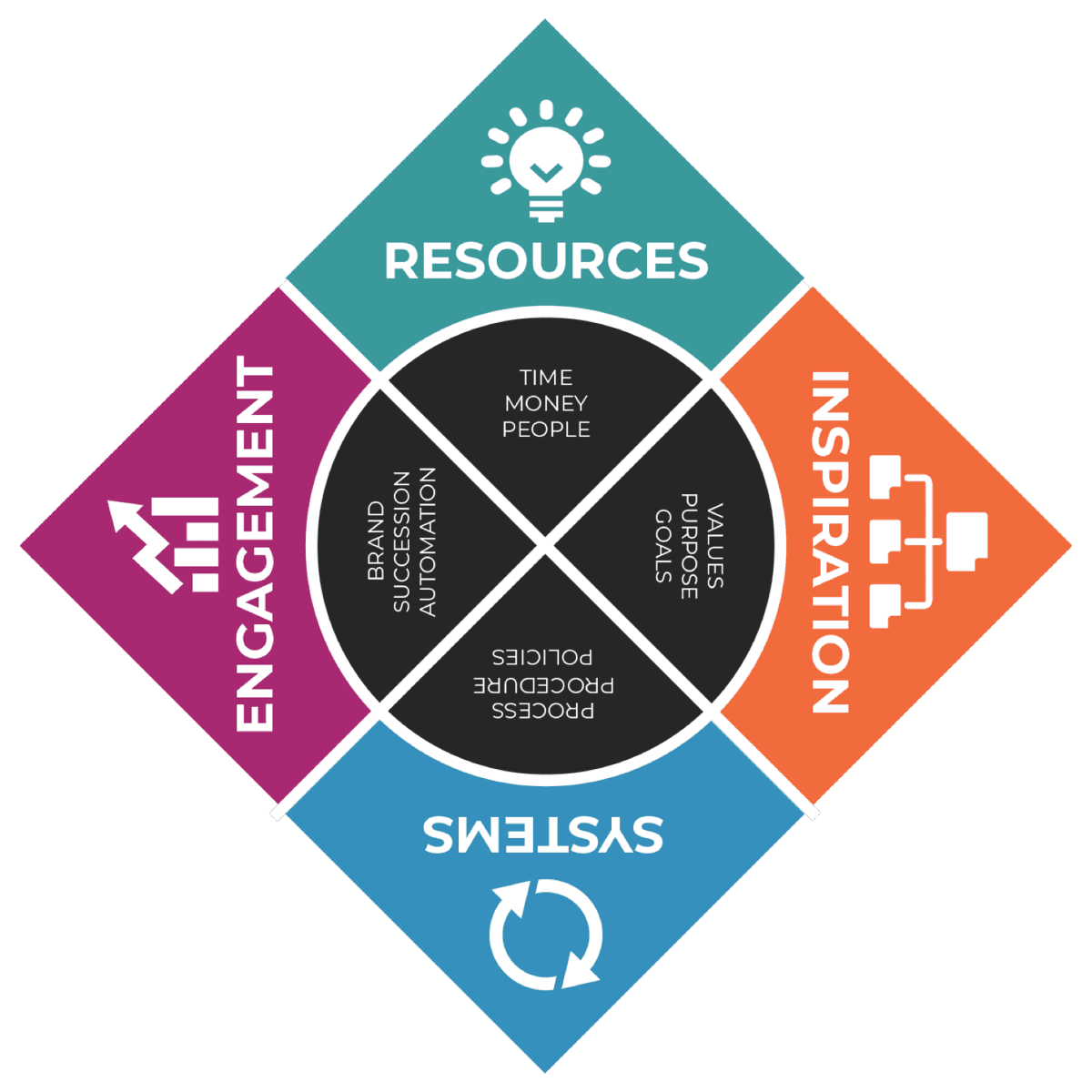
The RISE Business Framework teaches that a strong messaging strategy helps businesses build trust, attract the right audience, and drive sales.
If your brand message doesn’t resonate with your customers, it’s time to refine your messaging strategy.
What is a Messaging Strategy?
A messaging strategy defines how your brand communicates with its audience across marketing, sales, and customer interactions.
Key Components of a Strong Messaging Strategy:
✔ Brand Promise – What value do you deliver?
✔ Core Message – What is your main message to customers?
✔ Tone & Voice – How does your brand sound and feel?
✔ Taglines & Key Phrases – What memorable phrases define your brand?
✔ Messaging Consistency – Are your messages the same across all platforms?
📌 Example: Nike’s messaging is built around "Just Do It" —a simple, inspiring, and action-driven message that resonates globally.
Why Businesses Struggle Without a Messaging Strategy
Many companies fail to create a clear, compelling brand voice because they:
🚫 Try to appeal to everyone instead of their ideal audience
🚫 Change their messaging too often, leading to confusion
🚫 Lack consistency across website, social media, and marketing materials
Without a strong messaging strategy, businesses experience:
❌ Unclear brand positioning that fails to stand out
❌ Marketing campaigns that don’t connect with customers
❌ Weak brand recognition in the market
How to Develop a Strong Messaging Strategy
The RISE Business Framework provides a structured approach to crafting a brand voice that resonates.
Step 1: Define Your Brand Promise
✔ What problem do you solve for your customers?
✔ What makes your brand unique?
📌 Example: A meal delivery service might define its brand promise as "Healthy meals, delivered fast, with zero hassle."
Step 2: Craft a Clear Core Message
✔ Summarize your brand’s purpose and value in one or two sentences.
✔ Keep it simple, clear, and memorable.
📌 Example: Apple’s core message is "We create beautifully designed, easy-to-use technology that improves lives."
Step 3: Establish Your Brand Voice & Tone
✔ Decide if your tone should be formal, friendly, professional, or playful.
✔ Ensure your brand voice matches your industry and audience.
📌 Example: A luxury hotel brand might use sophisticated and elegant language, while a fitness brand might use energizing and motivational messaging.
Step 4: Create Taglines & Key Phrases
✔ Develop memorable phrases that reinforce your brand identity.
✔ Keep them short, powerful, and unique.
📌 Example: Airbnb’s tagline “Belong Anywhere” speaks to its mission of global connection and hospitality.
Step 5: Ensure Consistency Across All Channels
✔ Use the same tone and message on your website, social media, ads, and emails.
✔ Align sales, customer service, and marketing teams on key messaging points.
📌 Example: A sustainable fashion brand should reinforce eco-friendly messaging across Instagram, product packaging, and customer emails.
Frequently Asked Questions (FAQs)
FAQs About Messaging Strategy & Brand Voice
1. Why is brand messaging important for business success?
✔ It helps customers understand your brand quickly.
✔ It builds trust and emotional connection with your audience.
✔ It ensures consistency across marketing and sales efforts.
2. What’s the biggest mistake businesses make with messaging?
✔ Being too vague or generic —your message should be specific and compelling.
3. How do I know if my messaging strategy is effective?
✔ Track customer engagement, conversion rates, and brand recognition.
✔ Get feedback from employees and customers to see if your message is clear.
FAQs About the RISE Business Framework
1. How does RISE help businesses develop a messaging strategy?
RISE provides brand positioning frameworks, tone guidelines, and consistency strategies.
2. Can small businesses benefit from brand messaging?
Yes! Smaller businesses need strong messaging even more to stand out and compete effectively.
3. How do I start developing my brand messaging?
- Take the RISE Business Assessment
- Define your brand promise and core message
- Create a messaging guide for consistency across all platforms
Final Thoughts
A strong messaging strategy ensures your brand connects with the right audience and stands out in the market.
By crafting a clear, compelling brand voice, businesses can:
✅ Increase brand recognition and trust
✅ Improve marketing and sales effectiveness
✅ Ensure consistency across all communication channels
🚀 Want to refine your brand messaging? Start by defining your core message today!