What Are Core Values?
· 7 min read · Inspiration quadrant

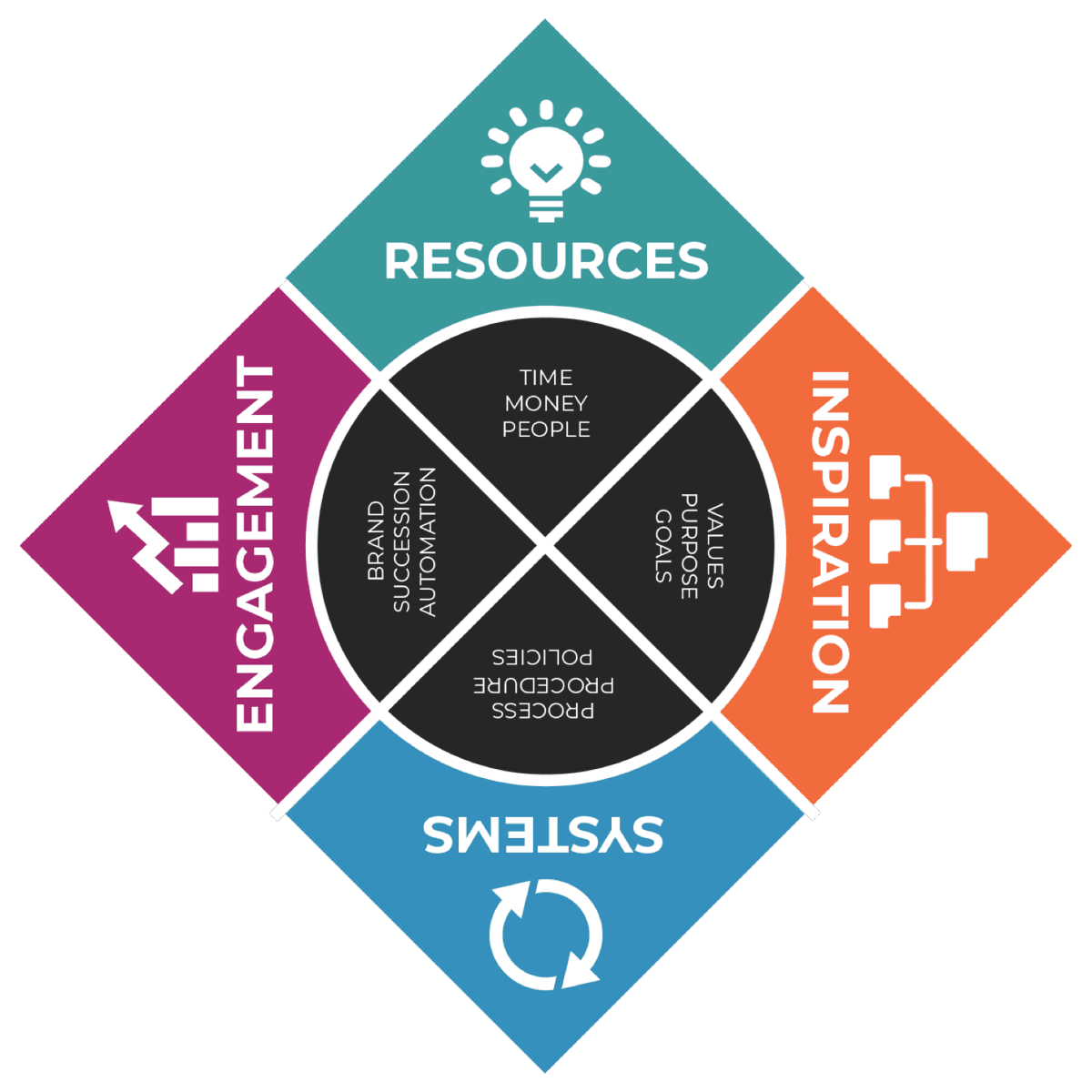
Core values are the fundamental beliefs and guiding principles that define a company’s identity and purpose. They serve as a moral compass for decision-making and shape the culture, behavior, and strategy of a business. In today's competitive marketplace, businesses that operate with clearly defined core values are more likely to build a loyal customer base, foster strong employee engagement, and maintain long-term success. In this article, we’ll explore the concept of core values, their role in business success, and how companies can develop and implement them using the RISE Business Framework. We’ll also look at real-world examples of companies that have thrived by staying true to their core values.
Understanding Core Values
Core values are the deeply held beliefs that dictate how a company operates. According to the RISE Business Framework, core values form the DNA of an organization, influencing every aspect of the business, from leadership decisions to day-to-day operations. These values act as a guiding framework for the company, ensuring consistency in behavior and alignment with the organization’s long-term vision. Examples of common core values include integrity, customer focus, accountability, respect, and innovation.
Core values serve two essential functions within a company:
- Internal Alignment: Core values provide a clear set of expectations for employees, helping them understand how to behave, make decisions, and interact with others within the organization. This alignment fosters unity and creates a cohesive culture where everyone is working towards the same goals.
- External Perception: To the outside world, core values communicate what a company stands for. Customers, partners, and investors often make decisions based on how well a company’s values align with their own. For example, a customer who values sustainability is more likely to support a company with eco-friendly practices as part of its core values.
Core values are not just statements to be framed and forgotten; they are actionable principles that guide every decision the company makes. For businesses to succeed, these values must be deeply integrated into their operations, from hiring practices to customer service strategies.
How Core Values Shape Culture and Strategy
Core values play a critical role in shaping both the culture and long-term strategy of a business. Culture, in this sense, refers to the shared beliefs, norms, and behaviors that define how employees interact and work together. A company’s culture reflects its core values, influencing everything from employee satisfaction to productivity.
For example, if one of your core values is innovation, this will likely encourage a culture where employees feel empowered to think creatively, take risks, and challenge the status quo. This value would also influence long-term strategic decisions, such as investing in research and development, adopting cutting-edge technologies, or partnering with forward-thinking companies. In this way, core values drive the overarching strategy by ensuring that every action taken is in line with the company’s foundational beliefs.
Moreover, core values serve as a tool for decision-making during times of uncertainty. When faced with challenges, companies that have clearly defined core values can refer back to them to make choices that are consistent with their mission and identity. For instance, during a financial crisis, a company with a core value of integrity might choose to remain transparent with its stakeholders about its challenges rather than hiding critical information, even if this transparency may temporarily affect its market position.
The RISE Business Framework emphasizes that core values are not static. As a company grows, its values may evolve, but they should always be aligned with the company’s purpose and long-term vision. This alignment ensures that the business stays true to its identity while adapting to new market conditions or internal changes.
Examples of Successful Companies with Strong Core Values
Many successful companies attribute their growth and sustainability to a firm commitment to core values. Let’s explore a few case studies of businesses that have thrived by staying true to their core values.
Patagonia: Commitment to Environmental Responsibility
Patagonia, the outdoor apparel company, is widely known for its commitment to environmental sustainability, one of its core values. This value drives every aspect of Patagonia’s operations, from its product design to its corporate activism. Patagonia has even gone so far as to encourage customers to buy less and repair their old clothes instead of purchasing new items, promoting a culture of environmental responsibility. This strong alignment between their core value of sustainability and their business strategy has helped Patagonia build a loyal customer base that shares their passion for protecting the planet. To learn more about Patagonia's commitment to sustainability, check out their corporateresponsibility page.
Zappos: Delivering Exceptional Customer Service
Zappos, the online shoe retailer, is another example of a company with a strong commitment to core values, particularly customer service. Zappos’ core value of delivering “WOW” through service has shaped its entire business model. From offering free returns and 24/7 customer service to empowering employees to go above and beyond for customers, Zappos has created a culture of service excellence. This core value has been a driving force behind Zappos’ success, leading to a highly loyal customer base and continuous growth. Learn more about Zappos’ customer service philosophy on their company blog.
Google: Fostering Innovation and Collaboration
Google’s core value of innovation has been central to its growth as one of the world’s leading technology companies. From its search engine to its artificial intelligence developments, Google constantly pushes the boundaries of technology. This commitment to innovation also fosters a culture of collaboration, where employees are encouraged to experiment, fail, and try again. Google’s ability to stay true to its core value of innovation while continuously evolving has allowed it to remain at the forefront of technological advancements.
How to Define Core Values for Your Business
Developing core values for your business is a critical step in creating a strong foundation for growth and success. The RISE Business Framework provides a structured approach for defining and implementing core values. Here’s a guide to help you get started:
- Identify What Matters Most: Begin by reflecting on what is most important to your organization. What principles guide your decision-making? What beliefs do you want your employees to embrace? Consider factors such as customer service, innovation, social responsibility, and employee development.
- Engage Your Team: Core values should resonate with your entire organization. Involve your leadership team and employees in the process to ensure that the values reflect the collective beliefs of the company. This collaboration will help create buy-in and ensure that the values are lived out across all levels of the organization.
- Align with Your Mission and Vision: Ensure that your core values align with your company’s mission and long-term vision. This alignment will provide consistency and help guide strategic decisions as your business grows.
- Be Authentic: Core values should be more than just words on a wall. They should reflect what your company truly stands for. Avoid generic statements and focus on values that are authentic and unique to your organization.
- Communicate and Implement: Once your core values are defined, communicate them clearly to your employees, customers, and stakeholders. Incorporate them into your hiring practices, performance evaluations, and marketing efforts to ensure they are consistently reflected in every aspect of your business.
For a more in-depth guide to defining core values, you can visit [Harvard Business Review]([object Object]).
Conclusion
Core values are the foundation of any successful business. They guide decisions, shape company culture, and influence long-term strategy. By staying true to their core values, companies like Patagonia, Zappos, and Google have built strong, sustainable brands that resonate with both employees and customers. For businesses looking to thrive in today’s competitive marketplace, defining and implementing core values is key.
Using the RISE Business Framework, you can develop core values that reflect your company’s unique identity and drive long-term success. Start today by identifying what matters most to your business and integrating those values into every decision and action. This commitment to core values will not only help you build a strong organizational culture but also create lasting relationships with customers and employees alike.