Understanding the Business Pipeline – SIPOC Model for Optimizing Operations
· 3 min read · Systems quadrant

Why Every Business Needs a Clear Pipeline
Many businesses struggle with inconsistent operations, bottlenecks, and inefficiencies because they lack a structured business pipeline.
Without a clear workflow, businesses experience:
❌ Miscommunication between departments
❌ Slow delivery times and process inefficiencies
❌ Customer frustration due to inconsistent service
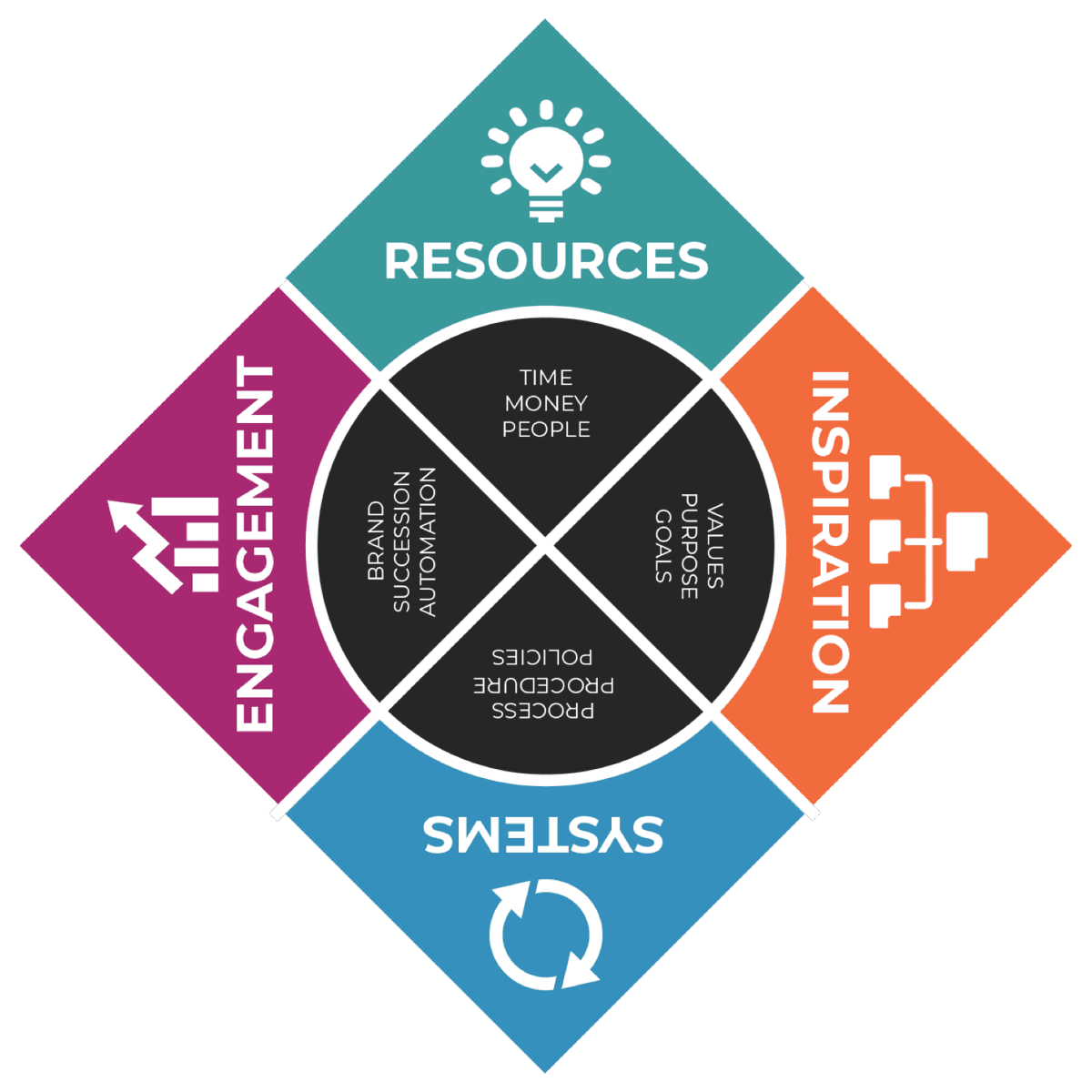
The RISE Business Framework teaches that the SIPOC model helps businesses streamline operations, improve efficiency, and drive predictable success.
If your company doesn’t have a clearly mapped-out process from start to finish, it’s time to optimize your business pipeline.
What is the SIPOC Model?
SIPOC stands for:
✔ Suppliers – Who provides the inputs to your process?
✔ Inputs – What resources or data are needed to start?
✔ Process – What steps transform inputs into outputs?
✔ Outputs – What is the final product or service?
✔ Customers – Who receives the final output?
📌 Example: A real estate investment firm’s SIPOC pipeline might include:
- Suppliers: Lead generation platforms
- Inputs: Property listings, seller data
- Process: Deal analysis, financing, negotiation
- Outputs: Acquired properties, contracts
- Customers: Investors, buyers, tenants
Mapping your SIPOC pipeline ensures every step is efficient, measurable, and aligned with business goals.
Why Businesses Struggle Without a Defined Pipeline
Many companies operate reactively instead of strategically because they:
🚫 Lack a structured workflow for handling customers or operations
🚫 Don’t track key performance metrics at each stage
🚫 Struggle with handoffs between teams, causing delays
Without a SIPOC business pipeline, businesses experience:
❌ High inefficiency and wasted resources
❌ Missed revenue opportunities due to process gaps
❌ Difficulty scaling because workflows are unclear
How to Optimize Your Business Pipeline Using SIPOC
The RISE Business Framework provides a structured approach to streamlining operations.
Step 1: Identify Key Suppliers
✔ Determine who or what provides the inputs needed to start your process.
✔ Ensure reliable suppliers to prevent delays.
📌 Example: A manufacturing company depends on vendors for raw materials —choosing the right suppliers reduces bottlenecks.
Step 2: Define All Required Inputs
✔ What data, materials, or resources start the process?
✔ Ensure inputs are consistent and high-quality.
📌 Example: A marketing agency needs lead data (input) before launching a campaign (process).
Step 3: Map Out the Process
✔ List every step from input to final product.
✔ Identify where delays or inefficiencies occur.
📌 Example: A property management company may identify that tenant screening takes too long, delaying rentals.
Step 4: Evaluate Outputs
✔ Are outputs meeting customer expectations?
✔ Ensure outputs align with business goals.
📌 Example: A consulting firm’s output (strategy reports) must be clear, actionable, and valuable to clients.
Step 5: Define Your Customers & Their Needs
✔ Identify who receives the final product or service.
✔ Ensure customer expectations are met consistently.
📌 Example: A subscription box company must ensure timely delivery of high-quality curated products.
Frequently Asked Questions (FAQs)
FAQs About the Business Pipeline & SIPOC Model
1. How does the SIPOC model improve operations?
✔ It clarifies each step of the workflow, ensuring efficiency.
✔ It reduces errors by identifying gaps in the process.
✔ It improves handoffs between departments, increasing speed and quality.
2. What’s the biggest mistake businesses make when mapping their pipeline?
✔ Skipping key inputs or process steps —leading to inefficiencies.
✔ Not tracking metrics at each stage, making it difficult to improve performance.
3. How often should a business review its pipeline?
✔ Quarterly to ensure alignment with goals.
✔ Annually for deeper analysis and optimization.
FAQs About the RISE Business Framework
1. How does RISE help businesses optimize their operations?
RISE provides structured process mapping tools, performance tracking frameworks, and workflow optimization strategies.
2. Can small businesses benefit from a defined business pipeline?
Yes! Small businesses need clear workflows even more, since inefficiencies can directly impact revenue and customer experience.
3. How do I start optimizing my business pipeline?
- Take the RISE Business Assessment
- Map out your SIPOC workflow
- Identify bottlenecks and inefficiencies to improve
Final Thoughts
A structured business pipeline ensures efficiency, consistency, and scalability.
By mapping out your SIPOC workflow, businesses can:
✅ Streamline operations and remove bottlenecks
✅ Improve customer experience by delivering consistent results
✅ Scale effectively by optimizing inputs, processes, and outputs
🚀 Want to optimize your operations? Start mapping your SIPOC business pipeline today!