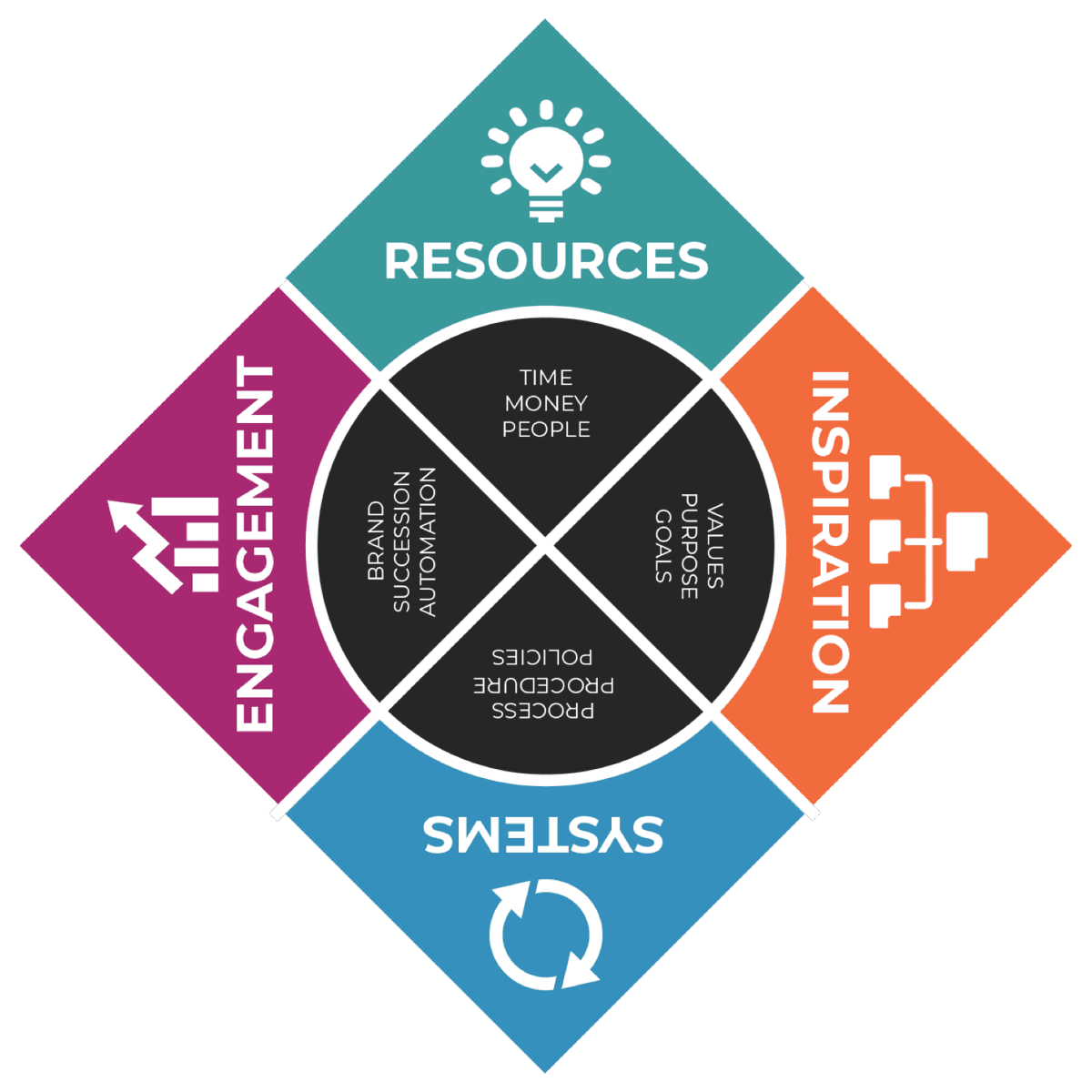
RISE Business Framework ·
What is talent accountability?

Key takeaways
- Talent accountability means ensuring the right people are in the right seats, clearly responsible for outcomes.
- It’s about clarifying ownership of processes, roles, and results, not just filling positions.
- Without it, businesses hit growth plateaus, inefficiencies, and cultural breakdowns.
- The RISE Framework ties talent accountability to Resources, Inspiration, Systems, and Engagement.
- Done right, talent accountability creates an upward path for individuals and scalability for organizations.
Introduction
When businesses struggle to grow, leaders often blame systems, sales, or market conditions. But more often, the issue is people: not having the right people, in the right roles, doing the right things. This is where talent accountability comes in.
In this article, we’ll explore what talent accountability is, why it matters, and how to apply it using the RISE Business Framework.
What is talent accountability?
Talent accountability is the discipline of identifying, developing, and holding individuals responsible for the roles they play within a business. It goes beyond hiring good people. It ensures clarity:
- Who owns each process?
- Who is responsible for outcomes?
- Who is developing and moving up within the organization?
“To win in the marketplace, you must first win in the workplace.”Douglas Conant, former CEO of Campbell’s
At its core, talent accountability is about aligning people with purpose and ensuring accountability systems are in place to sustain growth.
Why talent accountability matters for business growth
Without accountability for talent, even great businesses stumble. Common issues include:
- Communication breakdowns as teams grow.
- Bottlenecks when no one owns key processes.
- Burnout from misaligned roles.
- Missed growth opportunities because leaders cannot step up.
Research shows that replacing a trained employee costs up to 200% of their salary (Zavvy). By contrast, companies that invest in accountability and development keep their people longer, grow faster, and adapt more effectively.
Applying talent accountability with the RISE Framework
Resources
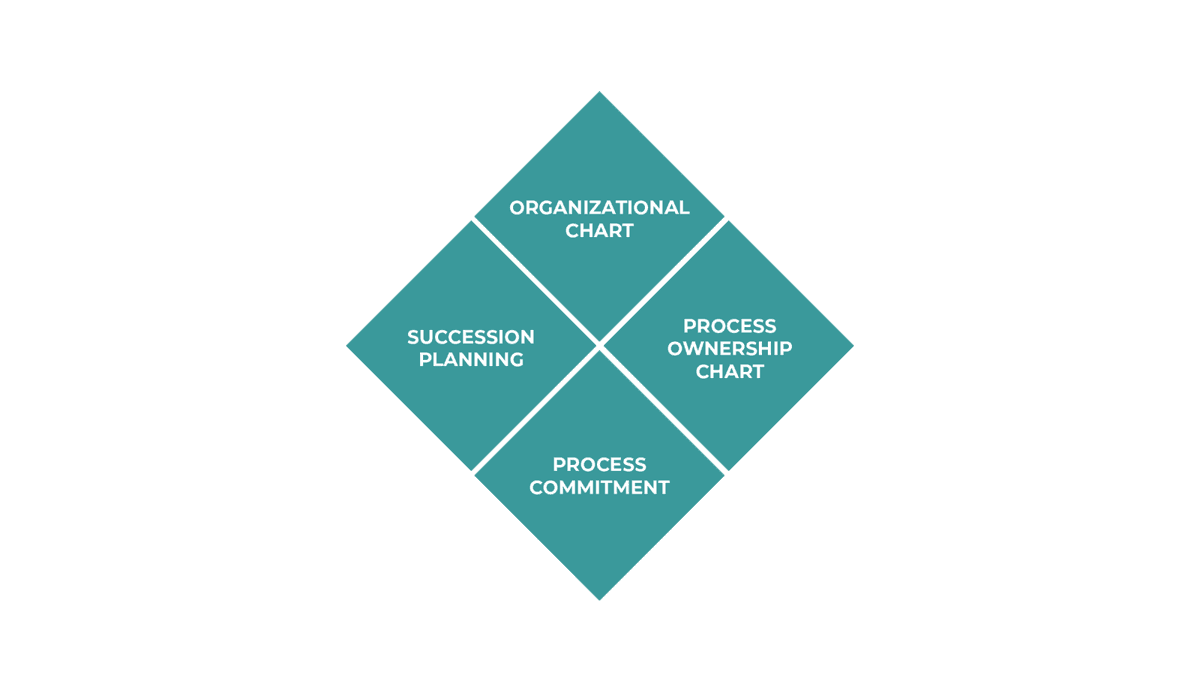
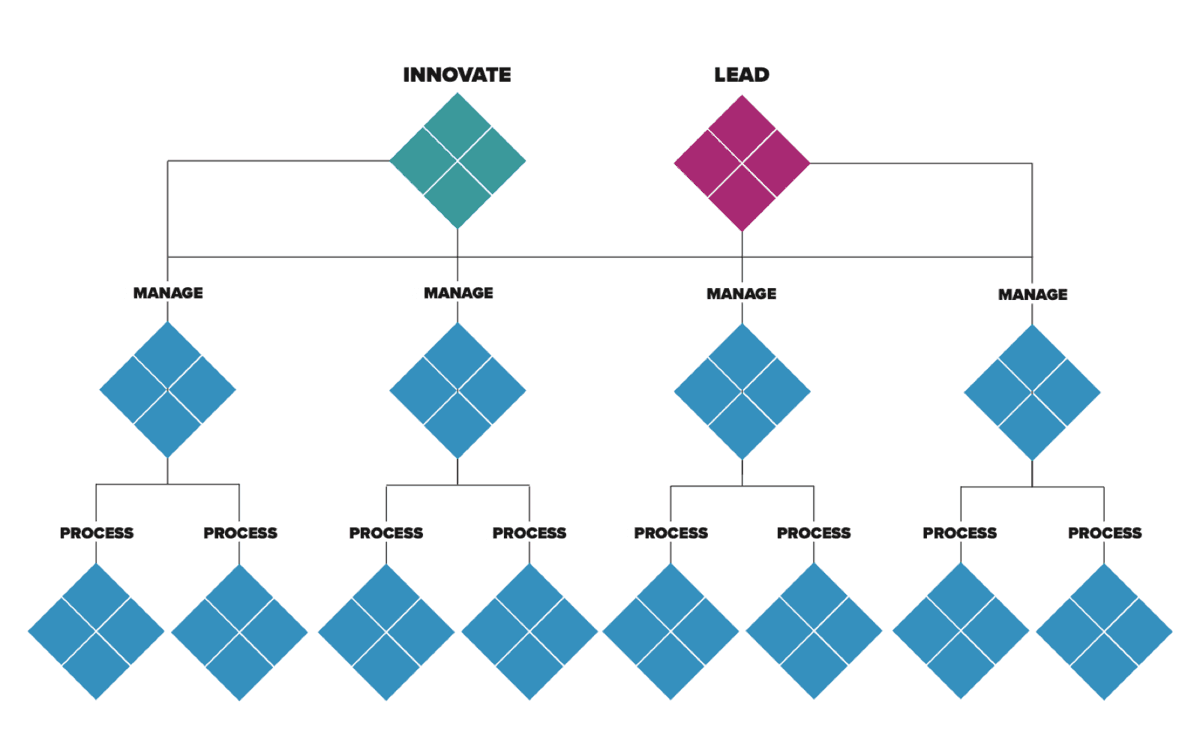
- Use Process Ownership Charts to map core processes and assign clear responsibility.
- Implement succession planning so employees can RISE upward when opportunities open.
- Evaluate talent regularly using the RISE 9-Box Assessment.
Inspiration
- Leaders must model accountability and clearly define core values.
- Communicate expectations consistently, reinforcing the cultural importance of ownership.
Systems
- Build accountability into meeting rhythms (daily/weekly/quarterly).
- Use Stoplight Reports to track performance against KPIs.
- Document processes so accountability is visible, not assumed.
Engagement
- Celebrate wins and recognize contributions to reinforce accountability.
- Tie accountability to brand and customer experience: if your team doesn’t own their role, your brand loses trust.
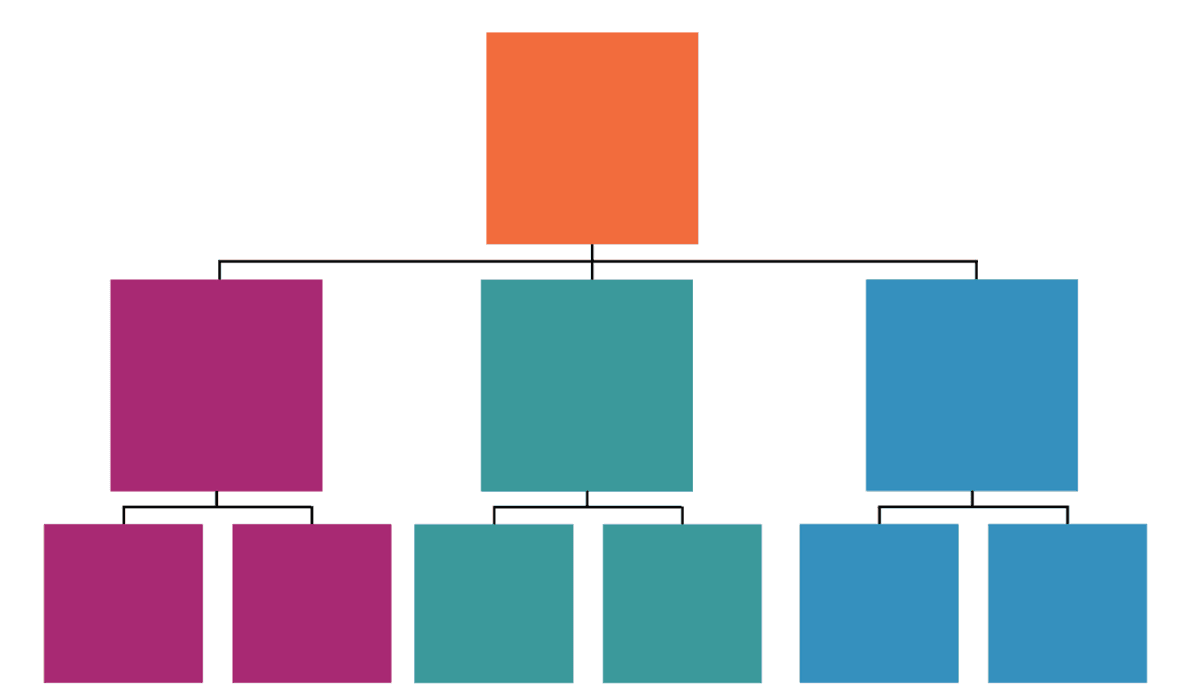
Visual example: RISE Talent Accountability Diamond
FAQs
What is the meaning of talent accountability?
Talent accountability is making sure employees are not just hired but fully responsible for outcomes within clearly defined roles.
How do you measure talent accountability?
By using process ownership charts, performance reviews, and tools like the RISE 9-Box to evaluate performance and potential.
Why is talent accountability important for small businesses?
Small businesses scale quickly. Without accountability, leaders get stuck “wearing all the hats,” and growth stalls.
Conclusion
Talent accountability isn’t just an HR exercise. It’s the backbone of scalable growth. When you define roles clearly, align them with company purpose, and build accountability into systems, your business unlocks its full potential.
It’s time to look at your team and ask: do we have accountability, or just activity?