Key Metrics That Drive Business Success – Understanding and Leveraging Data
· 3 min read · Systems quadrant

Why Key Metrics Matter for Business Growth
Many businesses struggle with tracking performance, measuring success, and making informed decisions because they don’t focus on the right key metrics.
Without clear, data-driven insights, companies face:
❌ Slow or ineffective decision-making
❌ Missed opportunities for revenue and growth
❌ Wasted resources on strategies that don’t work
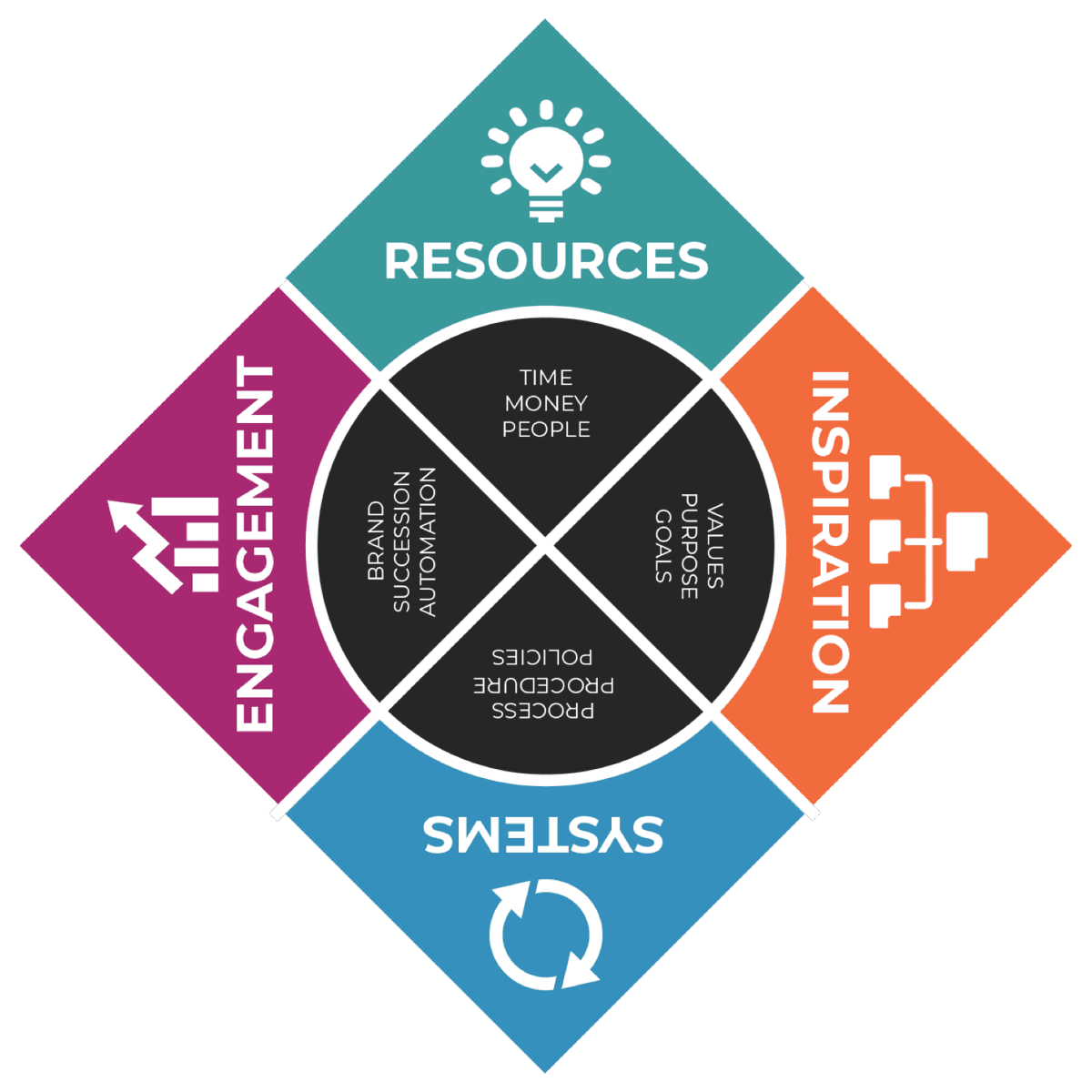
The RISE Business Framework teaches that tracking and leveraging key business metrics is essential for making smart, growth-focused decisions.
If your company isn’t consistently measuring success, it’s time to define and monitor the metrics that truly matter.
What Are Key Business Metrics?
Key metrics—also called Key Performance Indicators (KPIs) —are quantifiable data points that measure business success and efficiency.
The 5 Core Categories of Business Metrics:
✔ Financial Metrics – Revenue, profit margins, cash flow
✔ Sales & Marketing Metrics – Conversion rates, customer acquisition cost
✔ Operational Metrics – Efficiency, cycle time, productivity
✔ Customer Metrics – Retention, satisfaction, net promoter score
✔ Employee Performance Metrics – Engagement, productivity, retention
📌 Example: A retail company might track:
- Sales Growth (%) – Monthly or quarterly revenue increases
- Customer Retention Rate (%) – Percentage of repeat customers
- Inventory Turnover Ratio – How quickly products sell and restock
Tracking these metrics helps businesses adjust strategies, optimize operations, and increase profitability.
Why Businesses Struggle Without Key Metrics
Many companies fail to measure success effectively because they:
🚫 Track too many metrics without focusing on the most impactful ones
🚫 Don’t review data consistently or take action based on insights
🚫 Lack automated systems for accurate, real-time data tracking
Without data-driven decision-making, businesses experience:
❌ Uncertainty about what’s working and what’s not
❌ Difficulty setting and achieving realistic goals
❌ Inconsistent performance and unpredictable growth
How to Define & Leverage Key Business Metrics for Success
The RISE Business Framework provides a structured approach to identifying, tracking, and optimizing key metrics.
Step 1: Identify the Metrics That Matter Most
✔ Define 5-10 core KPIs aligned with business goals.
✔ Ensure each metric is specific, measurable, and actionable.
📌 Example: A SaaS company might track:
- Monthly Recurring Revenue (MRR) – Predictable subscription income
- Customer Churn Rate – Percentage of users canceling service
- Average Customer Lifetime Value (CLV) – Long-term revenue per customer
Step 2: Set Targets & Benchmarks
✔ Establish clear goals for each metric.
✔ Compare performance against industry standards or past data.
📌 Example: If a real estate firm typically closes 10 deals per month, a stretch goal might be increasing that to 15 per month.
Step 3: Automate Data Collection & Reporting
✔ Use CRM, accounting, and business intelligence tools to track KPIs.
✔ Implement automated dashboards for real-time updates.
📌 Example: A manufacturing company could use ERP software to track production efficiency and inventory turnover automatically.
Step 4: Review & Adjust Strategies Regularly
✔ Hold weekly or monthly KPI review meetings.
✔ Use Stoplight Reports to identify areas needing improvement.
📌 Example: If marketing ROI is declining, adjust ad spend or refine messaging based on customer insights.
Frequently Asked Questions (FAQs)
FAQs About Business Metrics & Data-Driven Success
1. What are the most important business metrics to track?
✔ Revenue Growth – Measures overall business expansion
✔ Profit Margins – Ensures long-term financial health
✔ Customer Acquisition Cost (CAC) – Determines marketing efficiency
✔ Retention Rate – Measures customer loyalty and satisfaction
2. What’s the biggest mistake businesses make with data tracking?
✔ Tracking too much data without focusing on the most actionable metrics.
3. How often should businesses review their key metrics?
✔ Weekly for operational KPIs, monthly for financial and strategic goals.
FAQs About the RISE Business Framework
1. How does RISE help businesses track and optimize key metrics?
RISE provides performance tracking tools, goal-setting frameworks, and data-driven decision-making strategies.
2. Can small businesses benefit from key metric tracking?
Yes! Smaller businesses need data insights even more, since every decision has a direct impact on profitability and growth.
3. How do I start implementing key metric tracking in my business?
- Take the RISE Business Assessment
- Identify your top 5-10 business KPIs
- Set up automated tracking & reporting systems
Final Thoughts
Tracking key business metrics ensures you make smarter decisions, optimize performance, and achieve long-term growth.
By consistently measuring, analyzing, and refining your KPIs, businesses can:
✅ Identify opportunities for efficiency and profitability
✅ Make data-driven decisions instead of relying on guesswork
✅ Drive sustainable business success with clear performance insights
🚀 Want to take control of your business growth? Start tracking the right metrics today!