Sales Strategies That Actually Work – Creating a Replicable, Scalable Process
· 4 min read · Engagement quadrant

Why Sales Strategies Need a Systematic Approach
Many businesses struggle with inconsistent sales performance because they rely on individual talent instead of a structured sales system.
Without a repeatable, scalable sales strategy, companies experience:
❌ Unpredictable revenue and slow growth
❌ Sales teams working without clear direction
❌ Lost deals due to inconsistent follow-ups and messaging
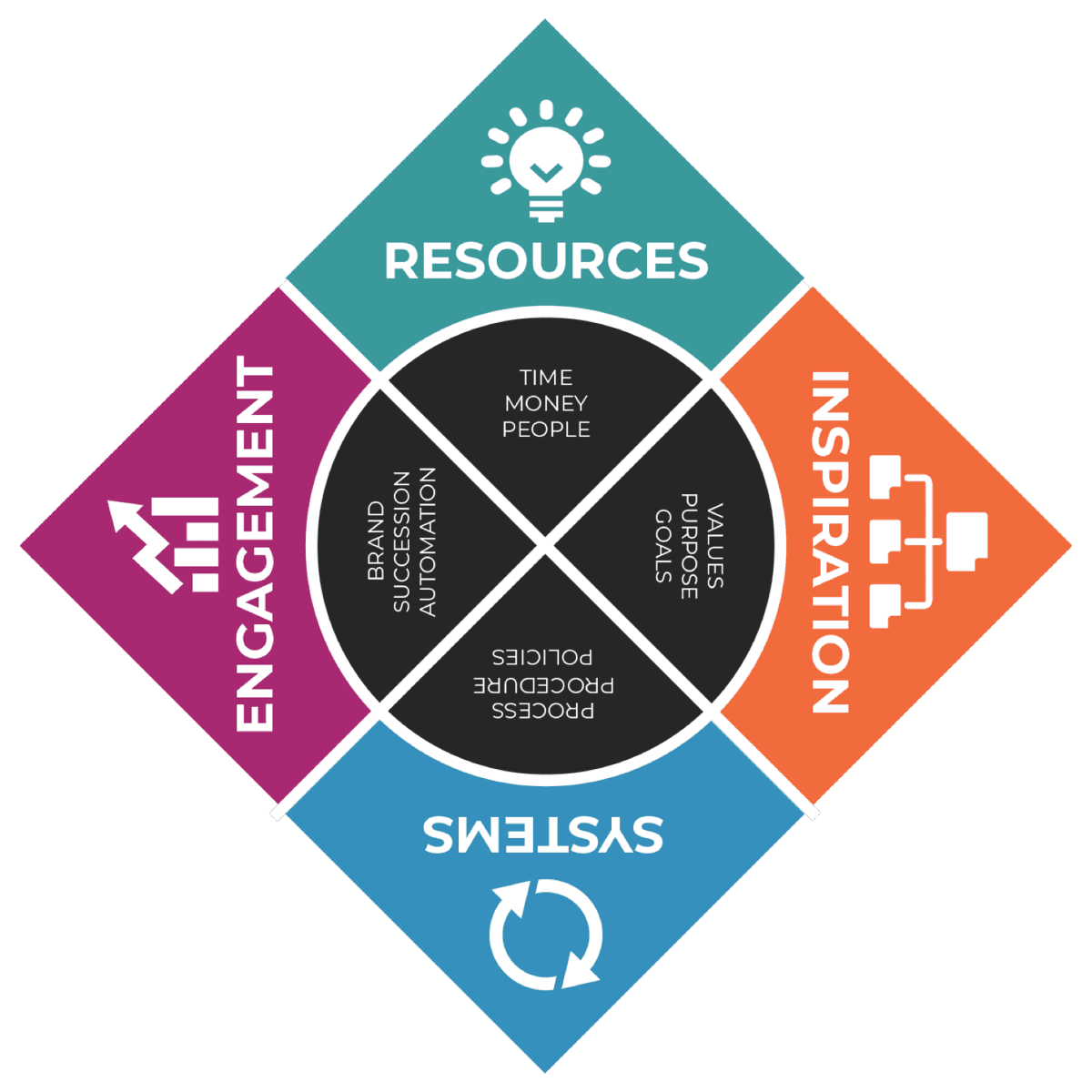
The RISE Business Framework teaches that a structured sales strategy ensures every salesperson follows a proven process, increasing conversions and scaling revenue.
If your business relies on sales reps figuring it out on their own, it’s time to implement a systemized sales approach.
What Makes a Sales Strategy Effective?
An effective sales strategy provides a clear, step-by-step process that sales teams can follow to consistently generate leads, close deals, and increase revenue.
Key Components of a Successful Sales Strategy:
✔ Lead Generation – Attracting the right customers
✔ Sales Funnel – Guiding prospects through the buying journey
✔ Sales Scripts & Messaging – Standardizing communication
✔ Follow-Up Process – Nurturing leads who aren’t ready to buy
✔ Sales Metrics – Tracking performance for improvement
📌 Example: A B2B SaaS company might use a three-step sales funnel:
- Inbound lead generation (content marketing & LinkedIn outreach)
- Sales call with a structured pitch
- Automated follow-ups to nurture and close the deal
A structured approach ensures no lead is wasted and every rep follows the same process for maximum results.
Why Businesses Struggle Without a Scalable Sales Process
Many companies fail to scale sales efforts because they:
🚫 Depend too much on a few high-performing salespeople
🚫 Lack a documented process for lead nurturing and follow-ups
🚫 Don’t track sales metrics to improve performance
Without a repeatable sales strategy, businesses experience:
❌ Inconsistent revenue and slow growth
❌ Difficulty training and scaling sales teams
❌ Lost opportunities due to ineffective follow-ups
How to Build a Replicable, Scalable Sales Strategy
The RISE Business Framework provides a structured approach to creating a sales system that works.
Step 1: Define Your Ideal Customer & Lead Generation Strategy
✔ Identify who your best customers are.
✔ Choose the best marketing channels to generate high-quality leads.
📌 Example: A real estate investment firm might generate leads through:
- Facebook Ads targeting motivated sellers
- Direct mail campaigns to property owners
Step 2: Build a Proven Sales Funnel
✔ Create a step-by-step process that moves prospects toward a sale.
✔ Design a clear follow-up system to nurture leads who aren’t ready to buy.
📌 Example: A business coaching company might use:
- Webinars for lead education
- 1-on-1 sales calls with structured scripts
- Automated email follow-ups for non-converting leads
Step 3: Standardize Sales Messaging & Scripts
✔ Train sales reps on proven scripts and objection-handling techniques.
✔ Ensure consistent messaging across all sales interactions.
📌 Example: A home security company might train sales reps to:
- Use a discovery script to understand customer pain points
- Present benefits in a structured, high-converting pitch
Step 4: Implement a Sales CRM & Automation
✔ Use CRM tools to track leads, conversations, and follow-ups.
✔ Automate email reminders, call scheduling, and deal tracking.
📌 Example: A SaaS startup might use HubSpot or Salesforce to:
- Automatically send follow-up emails after sales calls
- Track deal progress and set reminders for follow-ups
Step 5: Track Sales Metrics & Optimize for Growth
✔ Measure conversion rates, deal size, and sales cycle length.
✔ Identify bottlenecks in the sales funnel and optimize.
📌 Example: A marketing agency might analyze:
- Which sales reps close deals fastest
- Which objections come up most often
- How long leads take to convert and adjust messaging accordingly
Frequently Asked Questions (FAQs)
FAQs About Sales Strategies & Scaling Revenue
1. What are the most important steps in a sales strategy?
✔ Lead generation, sales funnel development, messaging consistency, follow-ups, and tracking sales performance.
2. What’s the biggest mistake companies make in sales?
✔ Not having a structured follow-up system —most sales are closed after multiple touchpoints.
3. How do I measure if my sales strategy is working?
✔ Track conversion rates, customer acquisition costs, and sales cycle length.
✔ Review which sales channels generate the highest ROI.
FAQs About the RISE Business Framework
1. How does RISE help businesses improve their sales process?
RISE provides sales funnel frameworks, CRM recommendations, and structured sales training.
2. Can small businesses benefit from a structured sales process?
Yes! Even solo entrepreneurs need a repeatable sales strategy to ensure consistency and growth.
3. How do I start building a scalable sales strategy?
- Take the RISE Business Assessment
- Document your ideal customer and sales funnel steps
- Train your team on standardized scripts and follow-ups
Final Thoughts
Sales success isn’t about luck—it’s about a repeatable, data-driven process.
By building a structured sales strategy, businesses can:
✅ Increase conversions and revenue predictability
✅ Train new sales reps faster with a proven system
✅ Scale sales efforts efficiently without losing quality
🚀 Want to improve your sales strategy? Start by documenting your sales funnel today!