The Importance of Customer Engagement & Follow-Up – Nurturing Leads into Clients
· 3 min read · Engagement quadrant

Why Customer Engagement & Follow-Up Are Essential for Business Growth
Many businesses invest heavily in lead generation but fail to convert those leads into paying customers.
Without consistent engagement and follow-up, companies struggle with:
❌ Leads going cold due to lack of communication
❌ Lost sales opportunities from poor follow-up systems
❌ Lower customer trust and weaker relationships
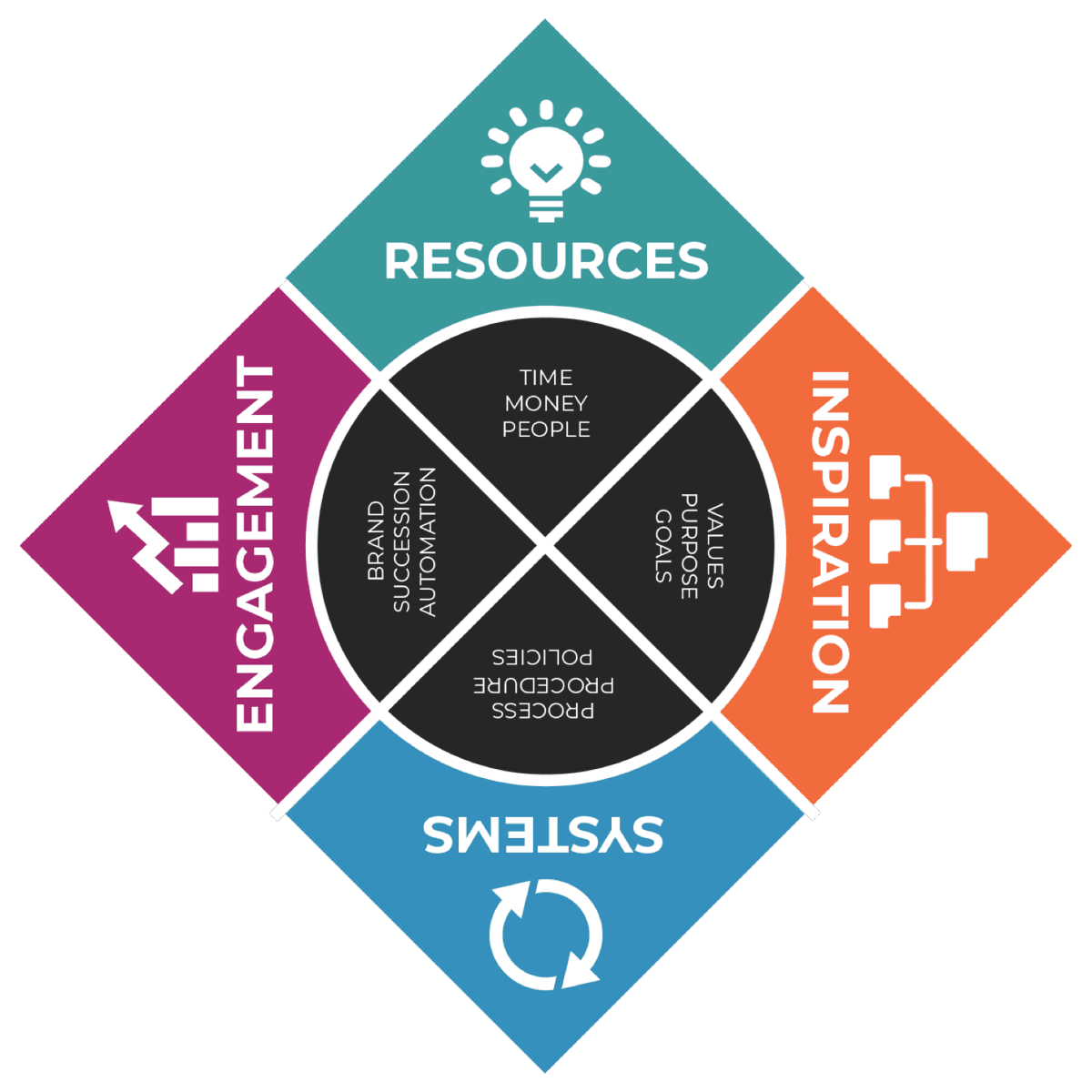
The RISE Business Framework teaches that effective engagement and follow-up increase conversions, build trust, and turn leads into long-term clients.
If your leads aren’t converting into sales, it’s time to strengthen your engagement and follow-up strategy.
What is Customer Engagement & Why Does It Matter?
Customer engagement refers to how businesses interact with and nurture leads throughout the buying process.
Key Benefits of Strong Customer Engagement:
✔ Higher conversion rates – Engaged leads are more likely to buy.
✔ Stronger customer relationships – Builds trust and loyalty.
✔ More referrals – Happy customers bring in new business.
📌 Example: A real estate agent who checks in with prospects regularly is more likely to close deals than one who only contacts them once.
Why Businesses Lose Leads Without Proper Follow-Up
Many companies fail to convert leads into clients because they:
🚫 Don’t have a structured follow-up system
🚫 Wait too long to respond to inquiries
🚫 Only follow up once instead of nurturing over time
Without effective follow-up, businesses experience:
❌ Lower close rates and lost revenue
❌ Leads forgetting about the business or choosing a competitor
❌ Weaker brand reputation due to lack of customer care
How to Build an Effective Customer Engagement & Follow-Up Strategy
The RISE Business Framework provides a structured approach to engaging leads and converting them into customers.
Step 1: Respond to Leads Quickly
✔ Aim to follow up within the first 5-10 minutes after an inquiry.
✔ Use automated responses for immediate engagement.
📌 Example: A SaaS company might use chatbots and automated emails to engage new leads instantly.
Step 2: Personalize Follow-Ups
✔ Use the lead’s name, business, and specific interests in messages.
✔ Tailor follow-ups based on their engagement level.
📌 Example: A financial advisor might follow up with:
- Warm leads: “Hey [Name], I saw you downloaded our investment guide. Do you have any questions?”
- Cold leads: “Hey [Name], we haven’t heard from you in a while—are you still interested in financial planning?”
Step 3: Use a Multi-Touch Follow-Up Approach
✔ Follow up at least 5-7 times using different methods (email, call, text, social media).
✔ Space out messages over several weeks to stay top of mind.
📌 Example: A marketing agency might:
- Send an intro email on Day 1
- Call the lead on Day 3
- Send a case study or testimonial on Day 7
Step 4: Automate Where Possible, But Keep It Personal
✔ Use CRM tools to schedule and track follow-ups.
✔ Ensure automated emails feel personalized.
📌 Example: A coaching business might use HubSpot or ActiveCampaign to send:
- Drip email campaigns based on lead behavior.
- Reminders for sales reps to follow up with high-value prospects.
Step 5: Engage Customers Even After the Sale
✔ Keep communication open to turn clients into repeat customers.
✔ Send follow-up surveys, thank-you notes, and exclusive offers.
📌 Example: A home contractor might:
- Check in a month after project completion to ensure satisfaction.
- Offer a discount on future services to encourage referrals.
Frequently Asked Questions (FAQs)
FAQs About Customer Engagement & Follow-Up
1. How many times should I follow up with a lead?
✔ At least 5-7 times, using a mix of calls, emails, and social touches.
2. What’s the biggest mistake businesses make in follow-ups?
✔ Only reaching out once —most leads require multiple touchpoints before making a decision.
3. How do I measure if my follow-up strategy is working?
✔ Track response rates, conversion rates, and customer retention metrics.
FAQs About the RISE Business Framework
1. How does RISE help businesses improve customer engagement?
RISE provides structured follow-up templates, CRM strategies, and engagement tracking tools.
2. Can small businesses automate follow-ups effectively?
Yes! Even small businesses can use affordable CRM tools like HubSpot, Pipedrive, or Mailchimp to manage follow-ups efficiently.
3. How do I start improving my customer engagement?
- Take the RISE Business Assessment
- Create a structured follow-up sequence
- Use automation tools while keeping personal touches
Final Thoughts
Generating leads is only the first step—consistent engagement and follow-ups are what convert them into paying clients.
By implementing structured follow-ups and engagement strategies, businesses can:
✅ Increase conversion rates and customer retention
✅ Build long-term relationships with clients
✅ Maximize ROI on marketing and lead generation efforts
🚀 Want to improve your lead-to-client conversion? Start by optimizing your follow-up strategy today!