Using A/B Testing to Improve Advertising – Optimizing Campaigns for Better ROI
· 4 min read · Engagement quadrant

Why A/B Testing is Essential for Advertising Success
Many businesses waste time and money on ads that don’t convert because they guess instead of test.
Without A/B testing, businesses struggle with:
❌ Low engagement and poor ROI on ad spend
❌ Unclear insights on what works and what doesn’t
❌ Inconsistent results across different marketing campaigns
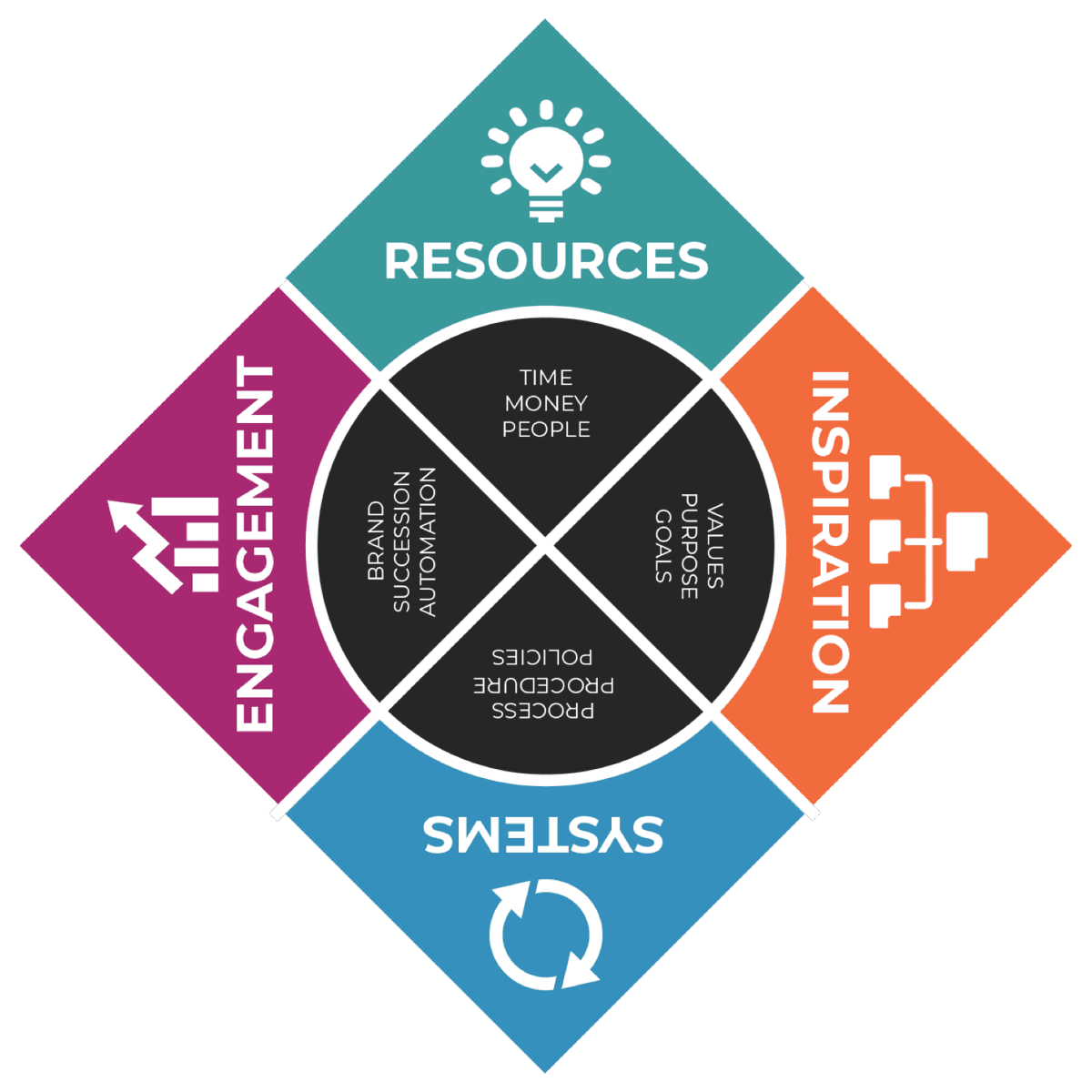
The RISE Business Framework teaches that A/B testing helps businesses optimize their ads, refine messaging, and increase return on investment (ROI).
If your ad campaigns aren’t driving consistent results, it’s time to fine-tune them using A/B testing.
What is A/B Testing in Advertising?
A/B testing (also called split testing) is the process of comparing two versions of an ad to determine which performs better.
How A/B Testing Works:
✔ Create two versions of an ad – (Ad A vs. Ad B).
✔ Change only one element at a time (e.g., headline, image, CTA).
✔ Run the ads to the same target audience.
✔ Measure performance and optimize based on results.
📌 Example: A business running Facebook ads might test:
- Ad A: "Get 20% Off Today!" (Discount-based CTA)
- Ad B: "Shop the Latest Collection!" (Curiosity-driven CTA)
If Ad A gets 35% more conversions, the business knows discount messaging resonates better with their audience.
Why Businesses Struggle Without A/B Testing
Many businesses don’t optimize their ads because they:
🚫 Make decisions based on assumptions, not data
🚫 Change too many elements at once, making results unclear
🚫 Lack tracking systems to measure ad performance
Without A/B testing, businesses experience:
❌ High ad costs with low conversions
❌ Difficulty identifying what messaging works best
❌ Inconsistent marketing performance across platforms
How to Run an Effective A/B Test on Your Ads
The RISE Business Framework provides a structured approach to A/B testing for better ad performance.
Step 1: Choose One Variable to Test
✔ Change only one element per test for clear results.
✔ Common elements to test include:
- Headlines – Does a direct offer or a curiosity-based hook work better?
- Images/Videos – Which creative captures more attention?
- Call-to-Action (CTA) – Does "Buy Now" or "Get Started" perform better?
📌 Example: A real estate agency might test:
- Headline A: "Find Your Dream Home Today!"
- Headline B: "Luxury Homes Available Now – Schedule a Tour!"
Step 2: Run Ads to the Same Target Audience
✔ Ensure both ad versions reach the same audience for accurate results.
✔ Keep budget, duration, and placement the same.
📌 Example: A coffee brand running Google Ads might test different ad copies targeting coffee lovers in the same region.
Step 3: Track Key Performance Metrics
✔ Monitor metrics such as:
- Click-through rate (CTR) – Which ad gets more clicks?
- Conversion rate – Which ad leads to more sales or sign-ups?
- Cost per acquisition (CPA) – Which ad generates leads at a lower cost?
📌 Example: If Ad B has a 40% higher conversion rate, the business can:
✅ Pause Ad A and allocate more budget to Ad B.
✅ Test another variable (e.g., different images or ad placements).
Best Advertising Platforms for A/B Testing
1. Facebook & Instagram Ads – Best for Social Engagement
✔ Test ad copy, images, and audience targeting.
✔ Optimize for engagement, leads, and conversions.
📌 Example: A fitness brand might test before-and-after images vs. product-only images to see which drives more purchases.
2. Google Ads – Best for Search & Display Campaigns
✔ Test different headlines, descriptions, and landing pages.
✔ Optimize for click-through rates and cost per click.
📌 Example: A law firm might test:
- Ad A: "Top Divorce Lawyers – Free Consultation!"
- Ad B: "Divorce Law Experts – Fast & Affordable!"
3. Email Marketing – Best for Lead Nurturing & Retention
✔ Test subject lines, email layouts, and CTA buttons.
✔ Optimize for open rates, click rates, and conversions.
📌 Example: A coaching business might test:
- Subject Line A: "5 Productivity Hacks to Boost Your Business"
- Subject Line B: "Struggling to Stay Focused? Try This!"
Frequently Asked Questions (FAQs)
FAQs About A/B Testing & Advertising Optimization
1. How long should an A/B test run?
✔ At least 7–14 days to gather enough data for meaningful insights.
2. What’s the biggest mistake businesses make with A/B testing?
✔ Testing too many elements at once, making it difficult to determine which change caused the improvement.
3. How do I know if my A/B test was successful?
✔ Compare conversion rates, cost per click, and engagement metrics between the two versions.
✔ A successful test improves performance while reducing costs.
FAQs About the RISE Business Framework
1. How does RISE help businesses improve advertising performance?
RISE provides structured A/B testing strategies, ad tracking tools, and performance optimization techniques.
2. Can small businesses benefit from A/B testing?
Yes! Small businesses need A/B testing even more because every marketing dollar needs to be optimized for maximum return.
3. How do I start running A/B tests for my ads?
- Take the RISE Business Assessment
- Identify which ad elements to test first
- Track and optimize based on results
Final Thoughts
A/B testing eliminates guesswork and ensures your advertising dollars are used effectively.
By continuously testing, analyzing, and optimizing ad performance, businesses can:
✅ Increase conversions while lowering ad costs
✅ Ensure marketing messages resonate with the right audience
✅ Make data-driven decisions instead of relying on guesswork
🚀 Want to improve your ad performance? Start A/B testing your campaigns today!