Introduction to RISE Engagement – Why Engagement is the Final Step Before Scaling
· 4 min read · Engagement quadrant

Why Engagement is the Key to Sustainable Growth
Many businesses try to scale too soon, focusing on growth without first solidifying their brand, marketing, and sales engagement.
Without a strong Engagement Phase, companies face:
❌ Ineffective marketing that doesn’t connect with the right customers
❌ Sales teams struggling with inconsistent messaging and closing deals
❌ Unclear customer engagement strategies that lead to churn
The RISE Business Framework teaches that before scaling, businesses must first master engagement—aligning their brand, marketing, and sales to attract and retain customers.
If your business isn’t consistently generating and converting leads, it’s time to refine your Engagement strategy before expanding further.
What is the Engagement Phase in RISE?
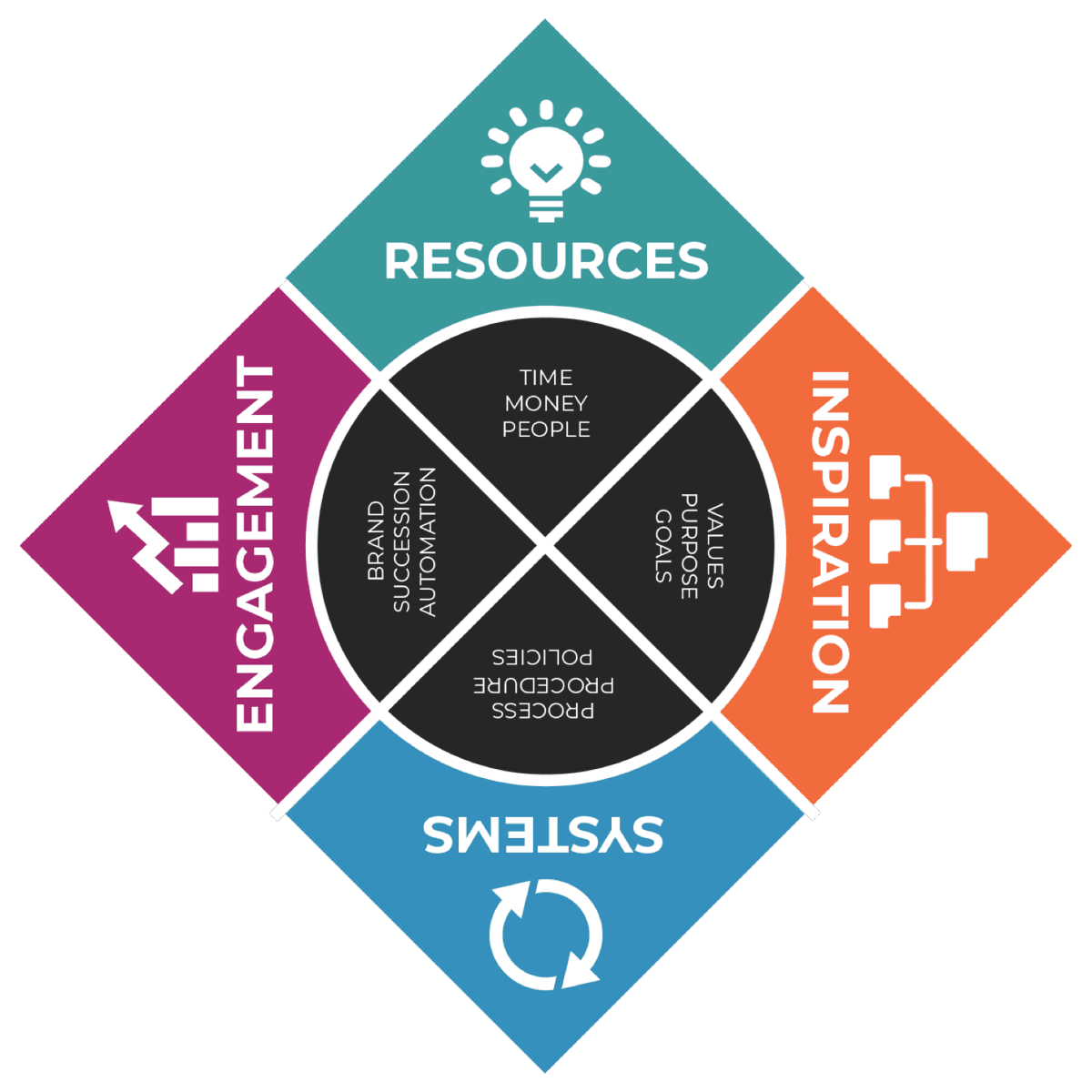
The Engagement Quadrant focuses on four key areas that create a strong foundation for sustainable growth:
1. Branding – Creating a Clear, Recognizable Identity
✔ Is your brand message consistent across all platforms?
✔ Do customers clearly understand what sets you apart?
📌 Key Takeaway: A well-defined brand builds trust and attracts ideal customers.
2. Marketing – Reaching and Converting the Right Audience
✔ Are your marketing efforts generating quality leads?
✔ Do you know which marketing channels drive the highest ROI?
📌 Key Takeaway: Targeted marketing increases visibility and attracts engaged customers.
3. Advertising – Maximizing Reach & ROI
✔ Are your advertising efforts bringing in a positive return?
✔ Do you have a strategy for scaling ad spend effectively?
📌 Key Takeaway: Smart advertising ensures your message reaches the right audience efficiently.
4. Sales – Creating a Proven, Repeatable Closing Process
✔ Is your sales process documented and consistently followed?
✔ Are your salespeople equipped with the right tools and training?
📌 Key Takeaway: A structured sales system increases conversions and revenue.
Why Businesses Struggle Without Engagement
Many companies jump into scaling too soon because they:
🚫 Don’t have a clear, consistent brand identity
🚫 Haven’t optimized marketing and advertising for efficiency
🚫 Lack a structured sales process to convert leads into customers
Without a strong Engagement strategy, businesses experience:
❌ Poor marketing ROI and wasted ad spend
❌ Sales teams struggling to close deals consistently
❌ Customer churn due to weak engagement and follow-up
How to Optimize Engagement Before Scaling
The RISE Business Framework provides a structured approach to ensuring your brand, marketing, advertising, and sales efforts are aligned before scaling.
Step 1: Conduct a Brand & Messaging Audit
✔ Ensure your brand identity, voice, and messaging are consistent.
✔ Align your marketing, sales, and customer experience with your brand values.
📌 Example: A real estate company might refine its brand story to differentiate itself from competitors and attract the right buyers.
Step 2: Optimize Marketing & Lead Generation
✔ Focus on high-ROI marketing channels and strategies.
✔ Test and refine messaging to increase lead conversion rates.
📌 Example: A consulting firm might use targeted LinkedIn ads instead of general social media ads for better results.
Step 3: Improve Advertising Efficiency
✔ Track ad spend and return on investment (ROI).
✔ Shift budget to high-performing ads and eliminate waste.
📌 Example: A B2B SaaS company might increase Google Ads spend after seeing better ROI compared to Facebook Ads.
Step 4: Strengthen Sales Processes & Training
✔ Implement CRM systems to track and nurture leads.
✔ Standardize sales scripts and training to improve closing rates.
📌 Example: A healthcare services company might refine its sales script to better address customer pain points and close more deals.
Frequently Asked Questions (FAQs)
FAQs About the Engagement Phase & Business Growth
1. How do I know if my business is ready for the Engagement Phase?
If you have:
✔ A structured meeting cadence that keeps teams aligned
✔ A well-defined business pipeline and workflow tracking system
✔ Documented processes that ensure consistency
…then you’re ready to shift focus toward branding, marketing, and sales engagement.
2. What’s the biggest mistake businesses make when moving to Engagement?
Trying to scale without first refining branding, marketing, and sales processes —this leads to inefficiencies and wasted resources.
3. How does the Engagement Phase help my business grow?
It ensures that your messaging, marketing, and sales processes work together to attract and convert customers efficiently.
FAQs About the RISE Business Framework
1. How does RISE help businesses implement a structured Engagement strategy?
RISE provides branding frameworks, marketing strategies, and sales optimization tools.
2. Is the Engagement Phase only for large businesses?
No! Small businesses need strong branding and marketing strategies just as much, since they help drive sustainable revenue growth.
3. How do I start optimizing my Engagement strategies?
- Take the RISE Business Assessment
- Audit your brand messaging and marketing efforts
- Define a clear sales process and customer engagement strategy
Final Thoughts
The Engagement Phase is the final step before scaling, ensuring that your brand, marketing, and sales strategies are fully aligned.
By optimizing customer engagement, businesses can:
✅ Attract high-quality leads that convert into loyal customers
✅ Ensure consistent marketing and sales efforts for maximum ROI
✅ Create a scalable growth model based on strong engagement strategies
🚀 Want to prepare for the next phase of growth? Start refining your engagement strategy today!